


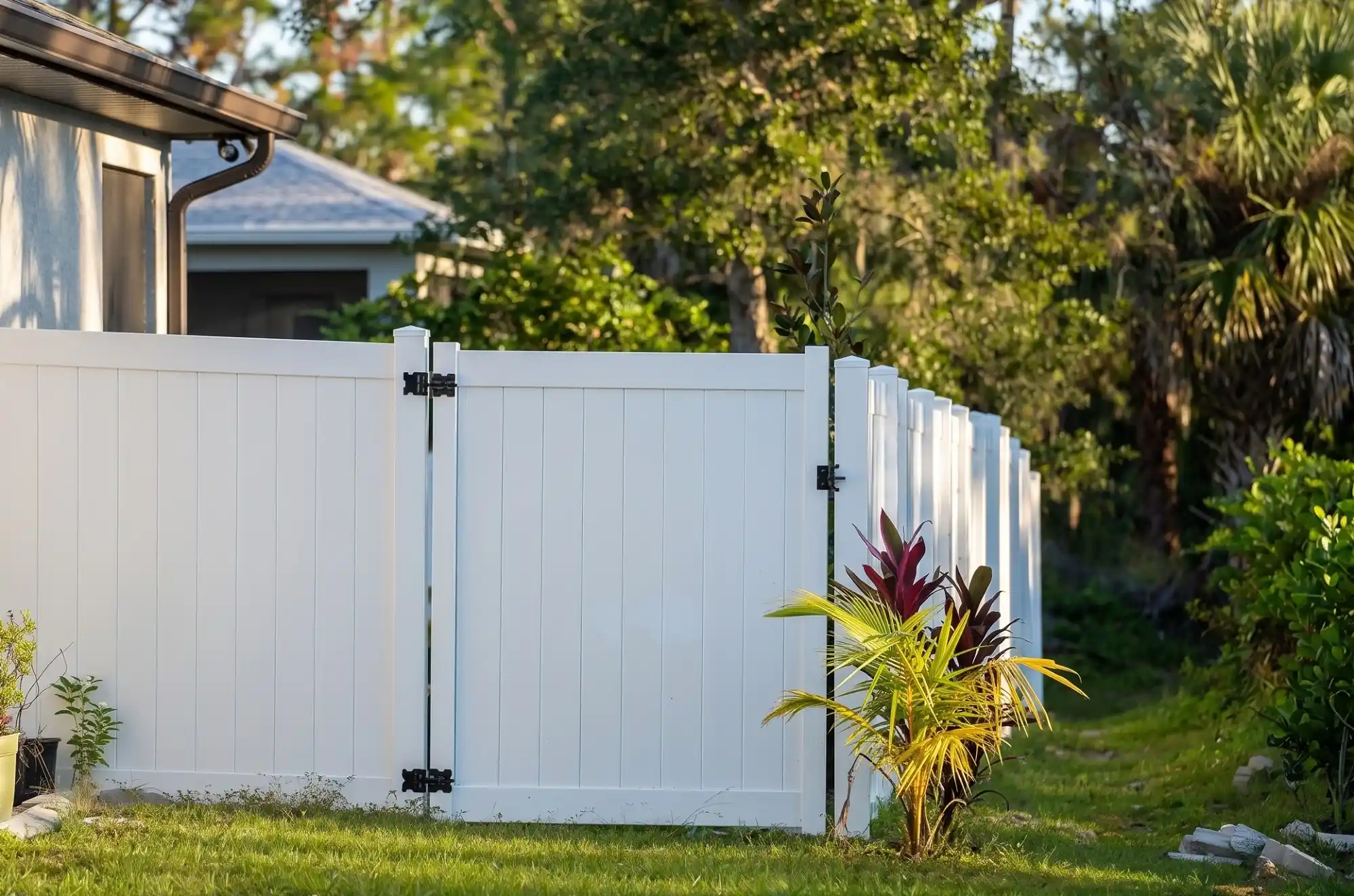


When it comes to choosing the perfect fence, you want something that not only looks great but also stands the test of time. Vinyl fencing has become a top pick for many homeowners and businesses because it's easy to maintain, looks fantastic, and is built to last. In this guide, we'll take a closer look at vinyl fences, their lifespan, what affects how long they last, and how they stack up against other options like wood, aluminum, or chain link. Unlike wood, vinyl is a PVC-based material that resists rot, insects, and moisture without chemical treatments, which is why it typically outlasts most alternatives.
Factors Affecting the Lifespan of a Vinyl Fence
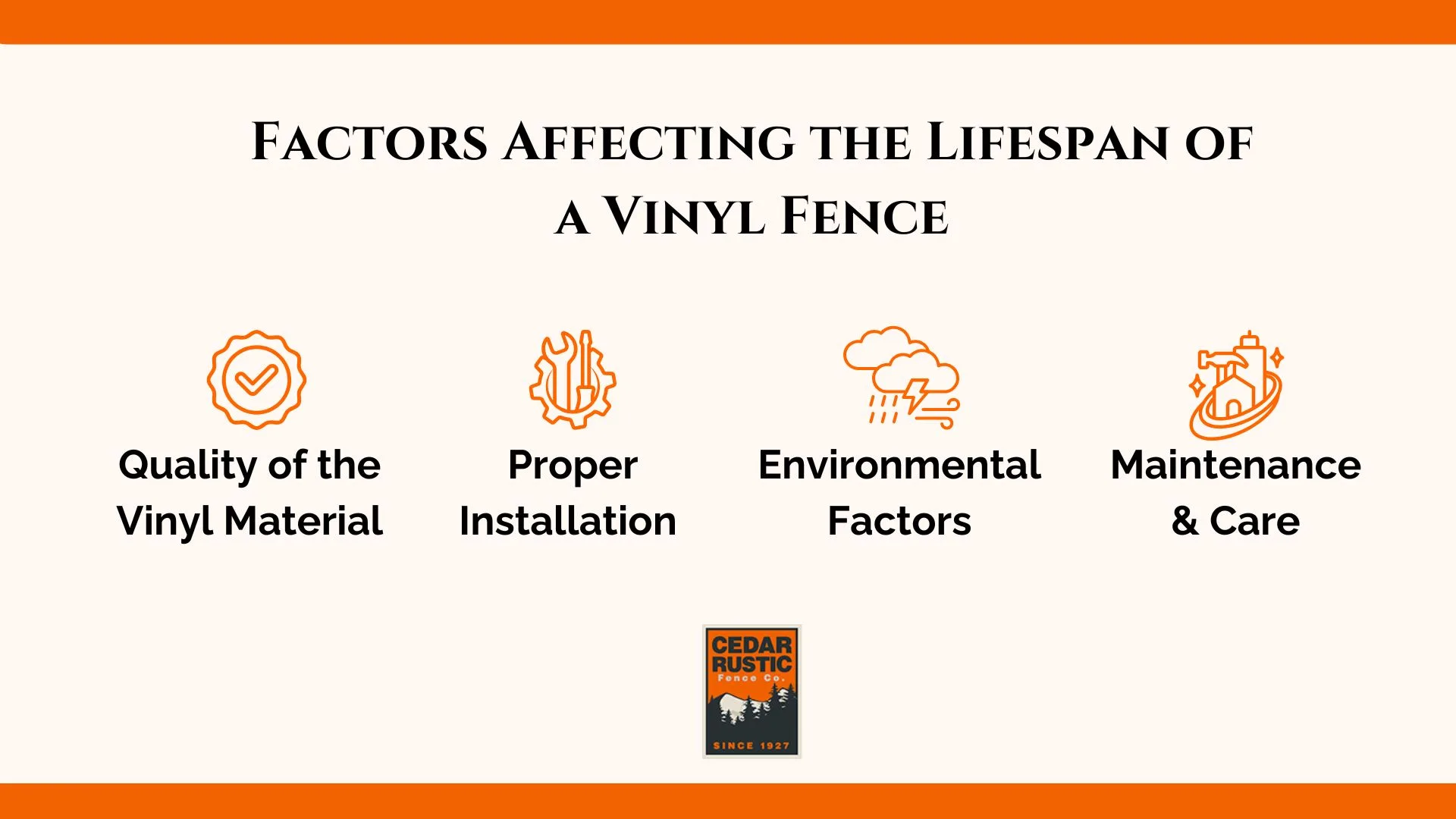
Several variables determine how long a vinyl fence holds its structure and appearance. Here is a breakdown of the most significant ones.
Quality of the Vinyl Material
The grade of the vinyl directly affects lifespan. Premium vinyl fences include titanium dioxide, a UV inhibitor that protects against fading and discoloration over time. To make sure your fence lasts, choose a well-respected manufacturer that uses premium-grade vinyl.
Professional Installation
Even the best vinyl fence will underperform when installed incorrectly. Post depth and footing strength are the most common structural failure points in vinyl fence systems. Posts set too shallow shift during freeze-thaw cycles, causing panels to lean, rack, or separate over time.
Professional installers set posts at the correct depth, use properly sized concrete footings, and leave the right spacing between panels so the fence can expand and contract with seasonal weather changes. That foundation work has more influence on long-term lifespan than the panel material itself.
Environmental Factors
Weather conditions in the Chicago area and Northwest Indiana put real stress on outdoor structures. Freeze-thaw cycles are the primary climate risk: soil expands and contracts repeatedly through the season, and posts without adequate footing depth shift under that pressure year after year.
Prolonged sun exposure contributes to surface fading over time, though today's UV-inhibited vinyl handles this far better than earlier formulations. Drainage around post footings is another site condition worth addressing during installation, as standing water near posts accelerates deterioration of the soil supporting the base.
Routine Maintenance
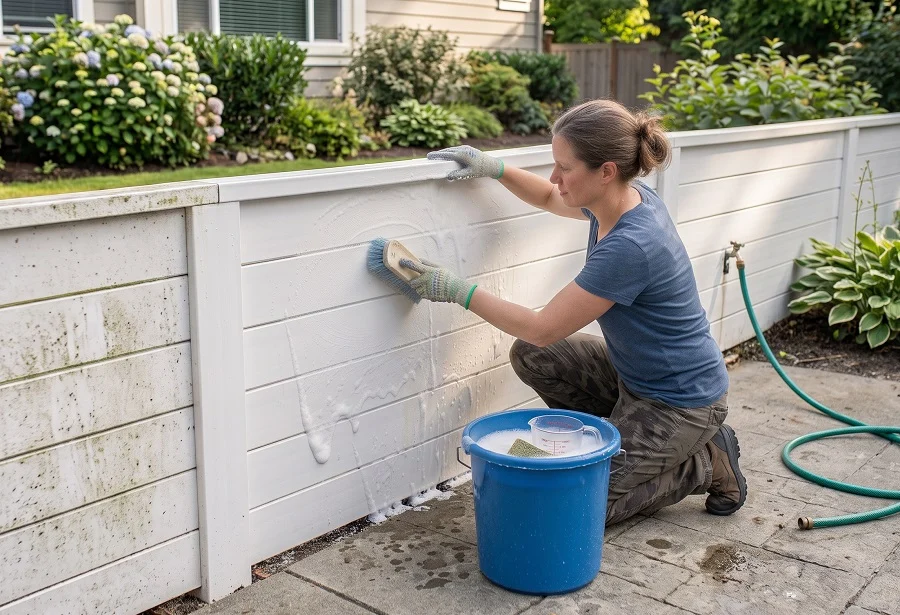
Vinyl requires far less maintenance than wood, but periodic upkeep extends its service life. A rinse with a garden hose or a wash with mild soap and water removes dirt, mold spores, and surface buildup before they accumulate. A couple of inspections each year, particularly after major storms, can catch loose posts, cracked panels, or worn gate hardware before small repairs become expensive ones.
Vinyl Fencing Lifespan Compared to Other Fencing Materials
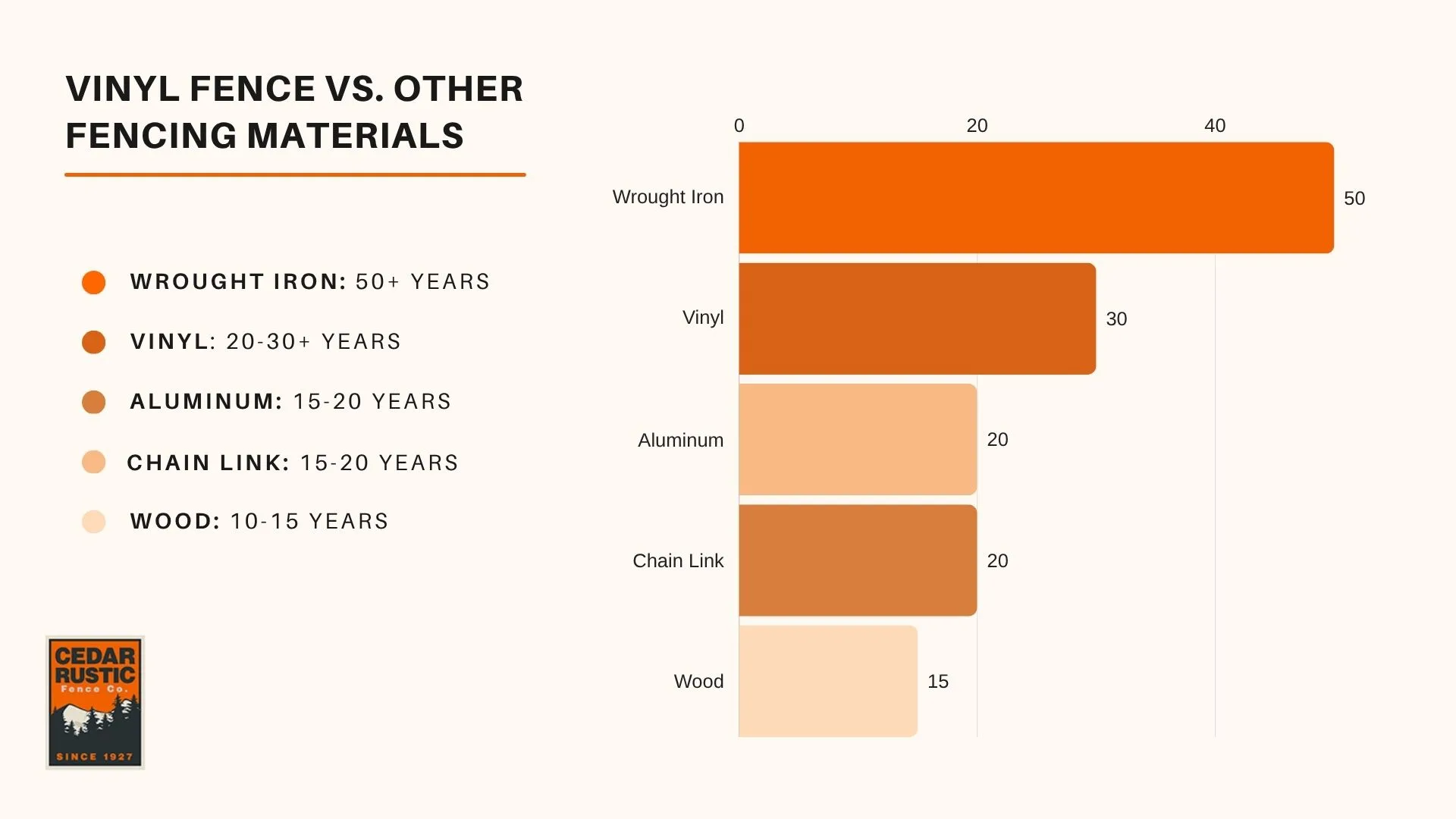
A vinyl fence typically lasts 20-30 years, with some installations reaching 50 years or more under favorable conditions. Results depend on material quality, installation technique, and site conditions, not on any single factor.
When considering the longevity of vinyl fences compared to other fencing options, it's clear that vinyl stands out as a top performer. Traditional wood fences typically last between 10-15 years, requiring regular maintenance, re-staining, and repairs to maintain their appearance and structural integrity. Aluminum fences have a similar lifespan to vinyl, but they may be more prone to denting and scratching over time.
Chain link fences are structurally durable, often lasting up to 20 years, but can rust or corrode in humid climates and offer limited privacy or visual appeal. Wrought iron fences are incredibly durable, lasting upwards of 50 years, but they demand a lot of attention with painting and maintenance to prevent rust and keep them looking good.
How to Extend the Life of Your Vinyl Fence
The steps that add the most years to a vinyl fence are straightforward:
- Select a reputable manufacturer and installer: High-grade PVC with documented UV inhibitors starts the fence off right. Professional installation, specifically correct post depth and concrete footings, determines how the fence performs through soil movement and seasonal stress.
- Keep it clean: Regularly cleaning your fence with a hose or a mix of mild soap and water prevents dirt, grime, and mold from building up.
- Do regular check-ups: Check the fence periodically for cracks, loose posts, and shifting panels. Catching problems early prevents more significant repairs later.
- Trim the trees: Keep nearby trees and shrubs trimmed so branches don't fall and damage your fence during storms or strong winds.
Signs It's Time for a New Vinyl Fence
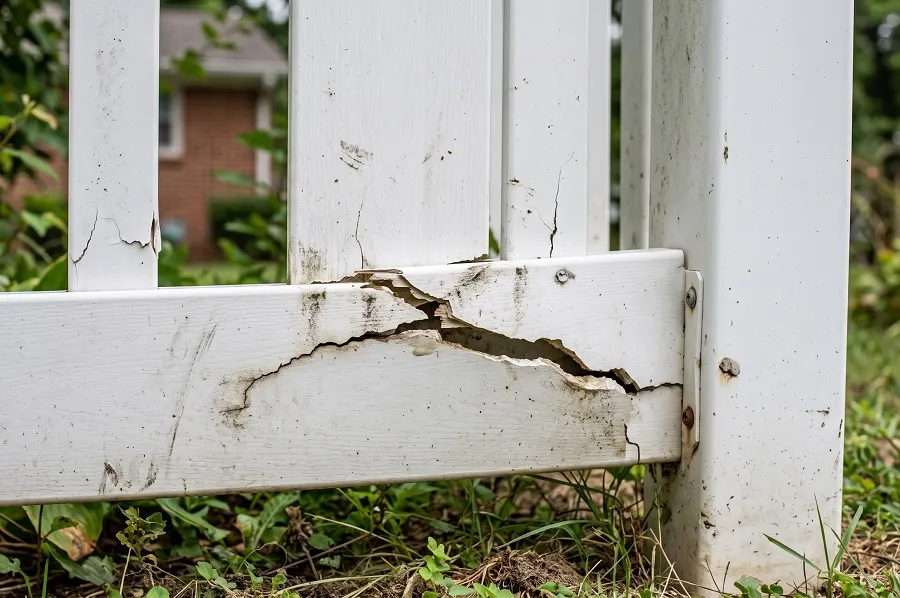
While vinyl fences are incredibly durable and long-lasting, there may come a time when a replacement is necessary. Here are some telltale signs that it might be time for a replacement:
- Cosmetic damage that has compromised the structural integrity of panels or rails.
- Significant warping, sagging, or leaning that cannot be easily repaired.
- Broken or missing fence components that affect the overall appearance and functionality.
- Severe discoloration or fading that detracts from the aesthetic appeal of your property.
- Gate hardware and hinges typically wear out before panels do, but a gate that no longer closes or latches correctly, especially after hardware has already been replaced, often signals that the post or frame has shifted at the base.
Fixing these problems early helps prevent additional damage and keeps your property secure.
Cost of Replacing a Vinyl Fence
The cost of replacing a vinyl fence depends on a few things, like the size of your property, the fencing style you choose, and the complexity of the installation process. On average, homeowners can expect to pay between $30 and $55 per linear foot for a new vinyl fence, including labor and materials.
Professional installation is worth the investment. A fence set at insufficient post depth or with undersized footings may look fine through the first season or two but will shift, lean, or fail structurally well before a properly installed fence would. Investing in professional installation upfront can help prevent the more costly repairs that often result from shallow post placement or rushed workmanship.
Investing in a high-quality vinyl fence and professional installation means you'll get a beautiful, durable, long-lasting fence that adds value and charm to your property.
#cta_start
Ready for Your Dream Fence?
A properly installed vinyl fence holds its look and structure for decades with minimal upkeep. Cedar Rustic Fence Co. serves Chicagoland and Northwest Indiana. Get your free estimate today.
#cta_end
Vinyl vs. Wood Fences
When deciding between vinyl and wood fences, it's essential to consider the unique benefits and drawbacks of each fencing material.
Beyond what the table shows, you should also weigh a few softer factors:
- Long-term appearance: A vinyl fence in year 20 still looks close to its year-one condition when maintained. Wood at the same age, without consistent upkeep, shows significant weathering.
- Natural character: Wood has a warm, classic look that blends with traditional architectural styles in a way vinyl doesn't quite replicate.
- Environmental footprint: Wood is a renewable and biodegradable resource, which matters to some homeowners.
The right material comes down to your priorities: upfront cost, long-term maintenance, aesthetic preference, and how long you plan to stay on the property. Weigh those against each other and the choice becomes clear.

