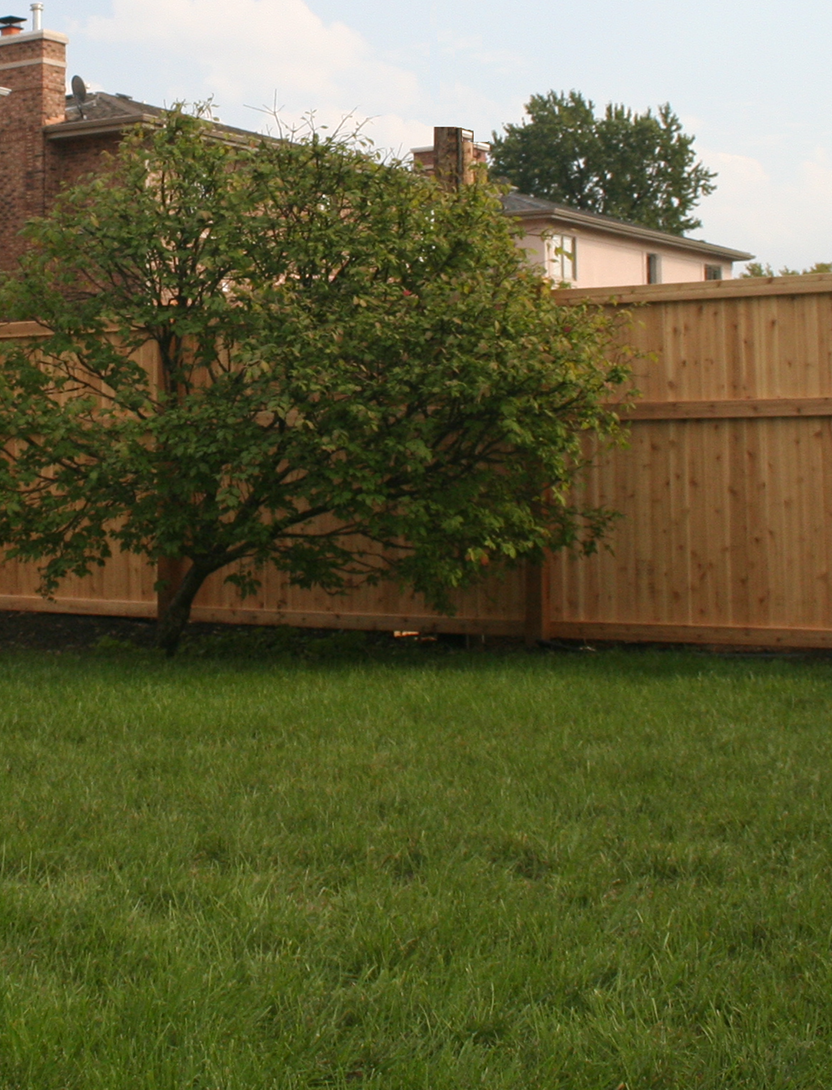
How to Calculate the Cost of Your Cedar Fence
Step 1: Measure Your Yard's Perimeter
Accurate measurements are key to a reliable estimate. For a typical backyard or average yard, follow these simple steps:
- Measure each side separately (Sides 1-4 in our calculator)
- Add up the total linear footage for the fence
- Include any gates (standard gates are 3 to 4 feet wide)
Formula:
Total Linear Feet = (Side 1 + Side 2 + Side 3 + Side 4) - (Number of Gates × Gate Width)
Measurement Tools: Don't have a tape measure? No problem. Try a free measuring app from the Google Play Store, or use Google Maps to calculate distance using satellite imagery. These digital tools provide accurate measurements for your estimate, though property boundary lines shown on mapping services may not be precise.
What's Included in Your Fence Materials
Our calculator accounts for every component needed to build your complete fence. You're not just getting boards — you're getting a complete system designed for decades of performance.
- Cedar boards – High-quality Northern White or Western Red Cedar pickets cut to your specified height
- Posts – Sturdy 4×4 cedar posts set every 7 feet for maximum stability
- Rails – Horizontal 2×4 cedar rails that connect posts and support your fence boards
- Hardware – Zinc-coated aluminum ring shank nails rated for outdoor use and long-term durability
- Gates – Cedar walk gates with heavy-duty professional-grade hinges and latches; large drive gates feature steel framing for added support
Step 2: Choose Your Cedar Fence Type
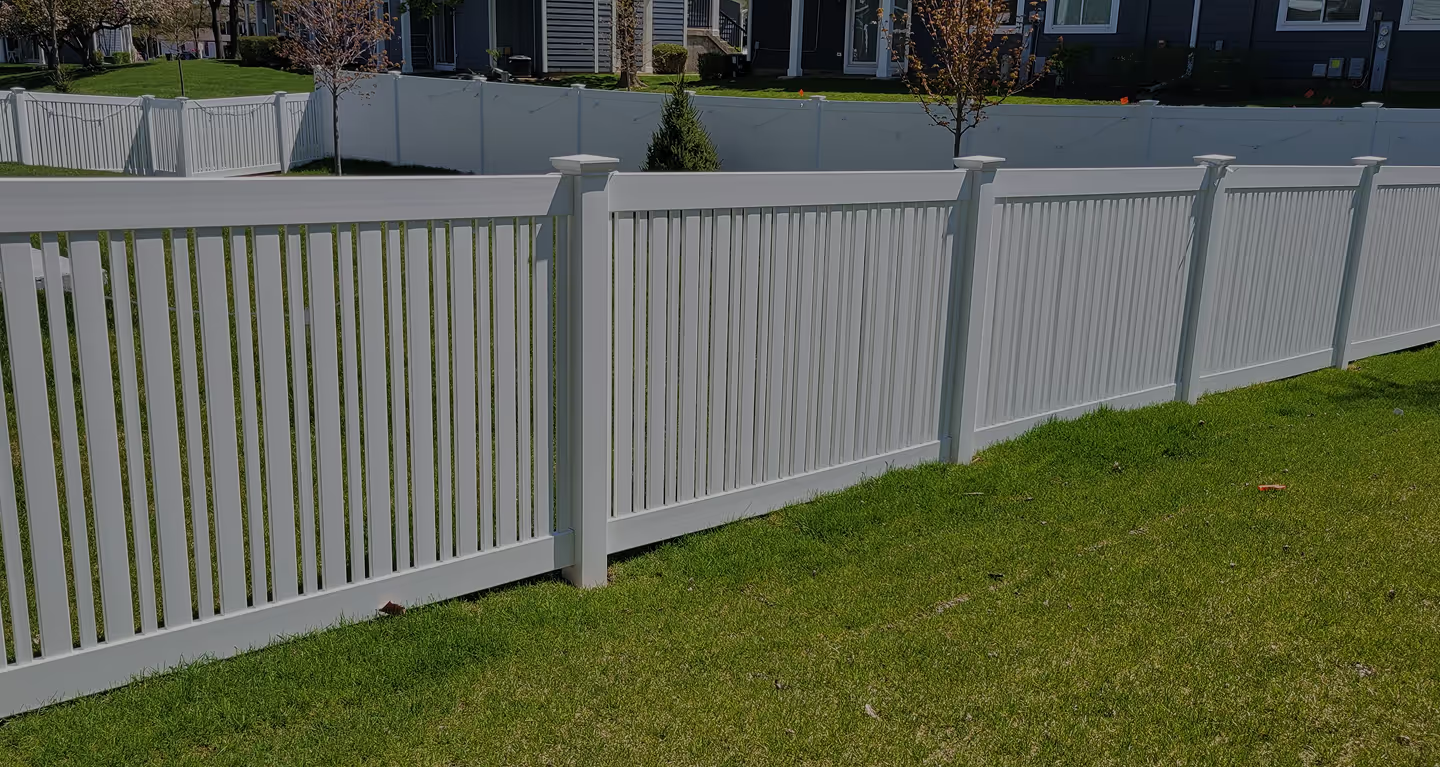
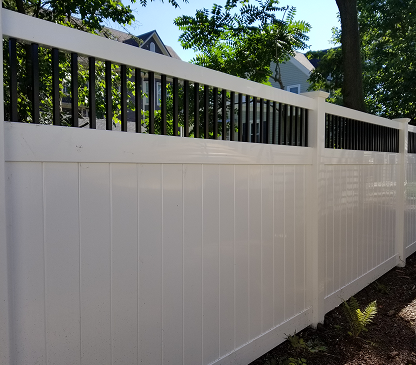
The fence type significantly impacts both price and functionality. Traditional fencing materials like cedar offer exceptional value compared to alternatives like vinyl fencing or chain link.
| Fence Style |
Privacy Level |
Best For |
| Privacy Fence |
Maximum (90%) |
Security and full privacy |
| Shadow Board |
High (80%) |
An attractive design with privacy |
| Board on Batten |
Maximum (100%) |
Timeless design with full coverage |
| Spaced Picket |
Minimal (30–40%) |
Decorative use and marking property lines |
Each style uses different amounts of lumber and offers varying levels of privacy. Solid styles like Privacy and Board on Batten require more materials, while spaced picket designs need fewer boards but provide less coverage.
Step 3: Select Your Preferred Height
The height of your fence will change both the materials and labor needed. Taller fences require more cedar boards, stronger posts, and additional rails.
- 4' height – Perfect for front yards or where bylaws restrict height.
- 6' height – Most popular for backyard privacy.
- 8' height – Maximum privacy and security for properties needing extra protection.
Costs vary based on height, with taller fences typically adding 30-80% to materials needed compared to 4' versions.
Step 4: Consider Cedar Type Options
The type of cedar you choose will make a big difference in both how long your fence lasts and how it looks. When choosing the best wood for a fence, cedar is known for its natural durability.
- Northern White Cedar – slightly thicker boards with comparable cost and appearance to western varieties, offering excellent durability and natural resistance.
- Western Red Cedar – Provides smoother board surfaces with the same cost-effectiveness and natural beauty, creating a refined finish for any fence style.
Important note: Unlike pressure-treated pine, cedar is dimensionally stable. The posts, framing, and pickets will not warp when drying, maintaining straight lines and structural integrity throughout the fence's life.
Step 5: Plan for Gates and Special Posts
Gates are often an afterthought in fence planning, but they can make a big impact on your total cost.
- Standard gates require wooden posts.
- Double gates for vehicle access need additional support. Cedar Rustic provides gates framed with powder-coated galvanized steel.
- Galvanized Steel Titan Posts provide superior stability for areas with extreme weather conditions.
Fence Cost By Linear Feet In 2025
Cedar fence pricing in Illinois varies significantly based on style, height, and location. The Chicago Metropolitan Area typically sees higher costs due to elevated labor rates and operational expenses in Cook, DuPage, and Lake Counties.
The Cost of Privacy Fences
The most popular choice for residential backyards provides complete privacy with tightly spaced boards.
| Height |
Cost (per linear foot) |
| 6-foot |
$37 to $60 |
| 4-foot |
$30 to $50 |
| 8-foot |
$45 to $60 |
Shadow Board Fence Costs
Shadow board fencing alternates boards on both sides to create an attractive pattern while maintaining most privacy benefits.
| Height |
Cost (per linear foot) |
| 6-foot |
$40 - $65 |
Board on Batten Fence Costs
Board on batten combines wide boards with narrower battens overlapping seams for a distinctive and classic appearance.
| Height |
Cost (per linear foot) |
| 6-foot |
$40 - $65 |
Spaced Picket Fence Costs
Spaced picket fencing provides decorative boundaries with space between boards, using less material than solid styles.
| Height |
Cost (per linear foot) |
| 4-foot |
$25 - $35 |
| 6-foot |
$30 - $40 |
Important note: These prices include professional installation, all materials (posts, rails, boards, hardware), and reflect 2025 pricing for the Illinois market. Projects using premium Western Red Cedar or complex designs may land on the higher end of these ranges.
Why Include a Contingency in Your Estimate
The calculator automatically adds an 8% contingency to your total. This smart buffer accounts for material waste, minor design adjustments, and the natural variations that occur in real-world installations.
- Material waste and cuts – Even with careful planning, fence installation generates some waste from cuts, board adjustments, and ensuring proper fit around obstacles.
- Design refinements – Small adjustments during installation to ensure your fence looks perfect and functions properly, such as minor post repositioning or board spacing modifications.
Factors That Affect Cedar Fence Installation Costs
Terrain and Ground Conditions
Different yard conditions can influence both labor costs and how long the project will take:
- Rocky soil may present unexpected challenges when digging post holes, though Cedar Rustic comes equipped with professional-grade equipment to handle Chicagoland's varied soil conditions.
- Existing fence removal requires additional service for removal and disposal, which is quoted separately from new fence installation.
- Landscaping obstacles, such as tree roots, can require custom post placements or curved fence sections to work around mature plants. These changes can add to both material and labor costs.
Site Preparation Requirements
Before you get started, know that some municipalities require permits for fence installation, which may also involve inspections or special construction installation. Also, proper site preparation is essential to ensure your fence lasts and stays structurally sound. This includes clearing the fence line and preparing a solid base for the posts.
- Vegetation clearing – You may need to remove bushes, small trees, and large root systems along the fence line.
- Ground leveling – Minor grading might be needed to create a smooth base, especially in yards with slight elevation changes.
- Utility marking – Professionals will locate underground utilities to prevent damage to water, gas, or electrical lines during digging.
Chicagoland Climate Considerations
The unique climate of Chicagoland presents specific challenges for cedar fence installation that directly impact both construction techniques and long-term durability. With harsh winters, humid summers, and dramatic freeze-thaw cycles, fences in our region face stress that requires specialized installation methods.
Our region's clay-heavy soil, combined with significant moisture fluctuations throughout the year, creates conditions that can prematurely damage improperly installed fences. Ground movement from frost heave is particularly problematic in the Chicagoland area, making proper post installation critical for fence longevity.
Cedar Rustic Fence Co. utilizes a "dry set footing" technique that fundamentally differs from standard concrete-encased posts. This approach allows water to drain away from the cedar post base rather than trapping moisture against the wood as happens with traditional concrete settings. Wood set directly in cement inevitably absorbs moisture from the concrete, accelerating decay at the post base — precisely where structural strength is most critical.
Installation Process for Cedar Fences
Professional cedar fence installation requires precision and experience at every stage. This ensures both visual appeal and long-term stability, especially considering Chicagoland’s challenging weather and soil conditions.
- Property survey – Marking boundaries accurately, locating utilities, and planning the fence line while following property rules.
- Post hole digging – Creating holes 36 to 42 inches deep to meet code requirements for Chicagoland's frost lines.
- Post setting – Using our specialized dry set footing technique to maximize the life of each post.
- Gate installation – Installing gates with reinforced frames and heavy-duty hardware.
- Final inspection – Checking alignment, stability, and all finishing details to ensure quality.
Cedar Rustic Fence Co. usually completes residential cedar fence installations in just one to two days. Our speed comes from using specialized equipment, having experienced crews with an average of more than 16 years on the job, and following a refined installation process we’ve developed over decades.
Installation tip: Some boards may be damp because they are "green" lumber; they have come straight from the mill and have not dried out. Once installed, the boards will acclimate to the environment and dry out. The moisture content can change from 35% to 12% to 8%. The boards will shrink and may cause small gaps in a privacy fence. To minimize this, we pull boards tight when nailing privacy fences to reduce potential gaps.
DIY Challenges for Cedar Fence Installation
Installing a cedar fence yourself might seem like a straightforward project, but the unique demands of proper cedar installation (especially in Chicagoland's challenging climate) make this one of the more complex exterior DIY undertakings. Without proper installation techniques, even the highest quality cedar materials can fail prematurely.
Common DIY Challenges:
- Equipment rental – You’ll need augers and tamping tools. Renting this equipment usually costs between $200 and $400 for a weekend, not including delivery fees or deposits.
- Specialized tools – You’ll need a level, a jigsaw, a string line, a post hole digger, a rock bar, and a wheelbarrow. Cutting cedar properly requires accurate saws and measuring tools that most homeowners don’t already own.
- Time commitment – A professional crew can finish the job in one to two days. DIYers often need 2-4 days, usually spread over several weekends.
- Physical labor – Digging deep post holes in Chicagoland’s heavy clay soil takes serious effort and can lead to injuries.
If you have solid experience with outdoor construction and already own or can access the proper tools, you might be able to take on the project. Cedar Rustic Fence Co. can supply top-quality materials and provide expert advice if you choose to install the fence yourself.
However, most customers find that hiring our professional installation team delivers better results and overall value. Proper staining of cedar fences and sealing cedar fence boards also requires specific techniques that are best left to professionals.




%20(1).webp)


%20(1).webp)
.webp)


.webp)
%20(1).webp)
%20(1).webp)
.webp)
%20(1)%20(1).webp)
.webp)
%20(1).webp)
.webp)
.webp)
.webp)
.webp)
.webp)

.webp)
.webp)
%20(1).webp)