


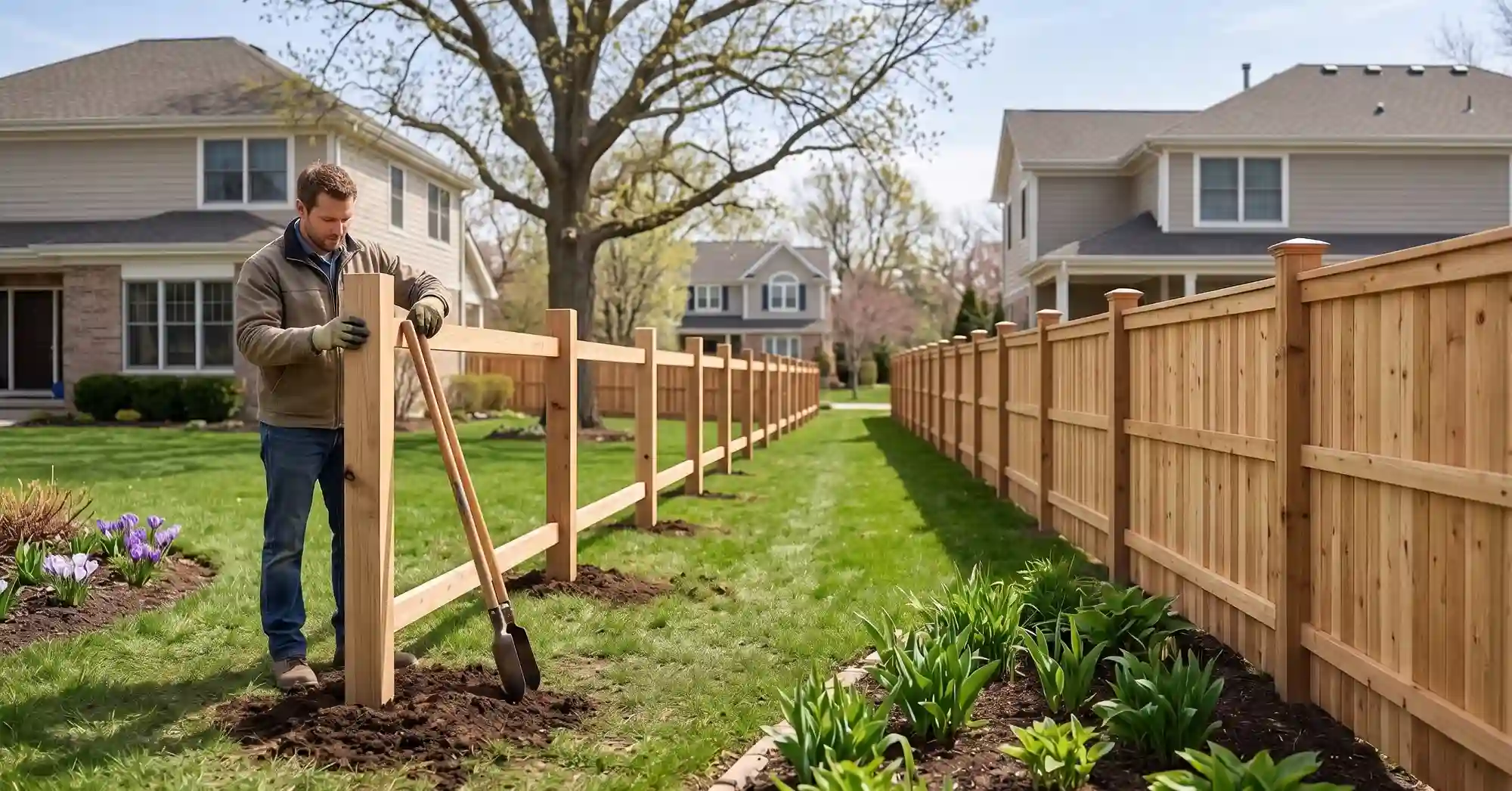


If you’ve been considering a fence, you may not know when to move forward with the process. Seasonal weather, soil conditions, and how early planning begins all shape fence installation in Chicago. Freezing winters, wet springs, and peak summer demand all affect how fence posts are set, how materials respond, and how smoothly a project stays on schedule.
At Cedar Rustic Fence, we plan our fence installation services around spring conditions, when thawed ground, moderate temperatures, and wider scheduling availability create the strongest foundation for proper installation. Starting during this window gives property owners more control over timing, materials, and long-term performance without the pressure that comes later in the year.
Why Timing Matters for Chicago Fence Installation

Chicago's climate creates seasonal challenges that directly affect how your fence performs decades after installation. Decisions you make on day one shape how a fence performs over its entire lifespan.
Seasonal timing affects:
- Post holes and soil stability.
- Proper alignment along the fence line.
- Concrete curing and setting time.
- Fence lifespan and resistance to movement.
- Project timeline and risk of weather delays.
Poor timing can lead to loose boards, leaning posts, cracked footings, or costly repairs. With the right planning, you can prevent damage and support long-term durability.
Spring: Opportunities and Challenges for Fence Installation (April-May)
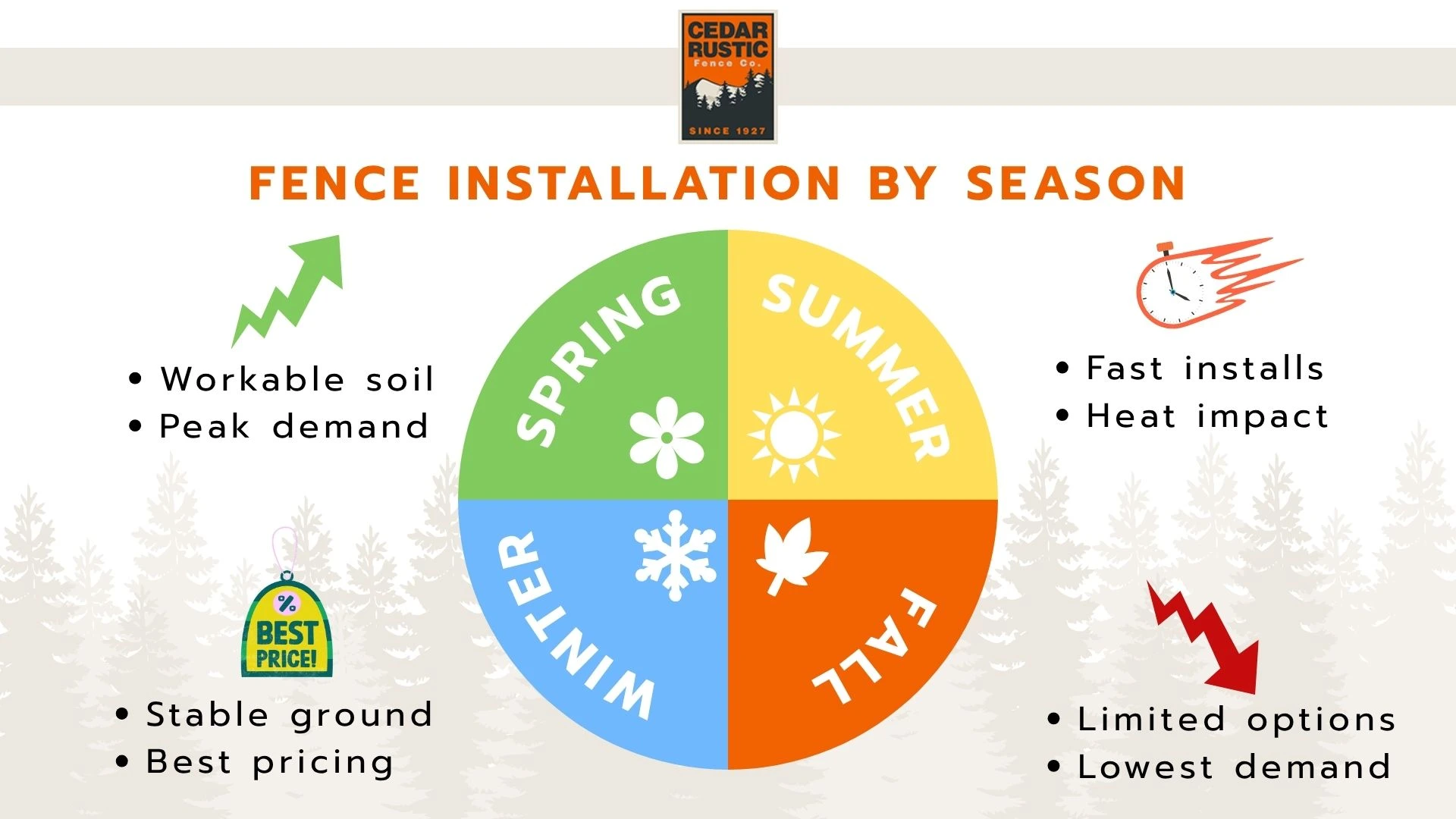
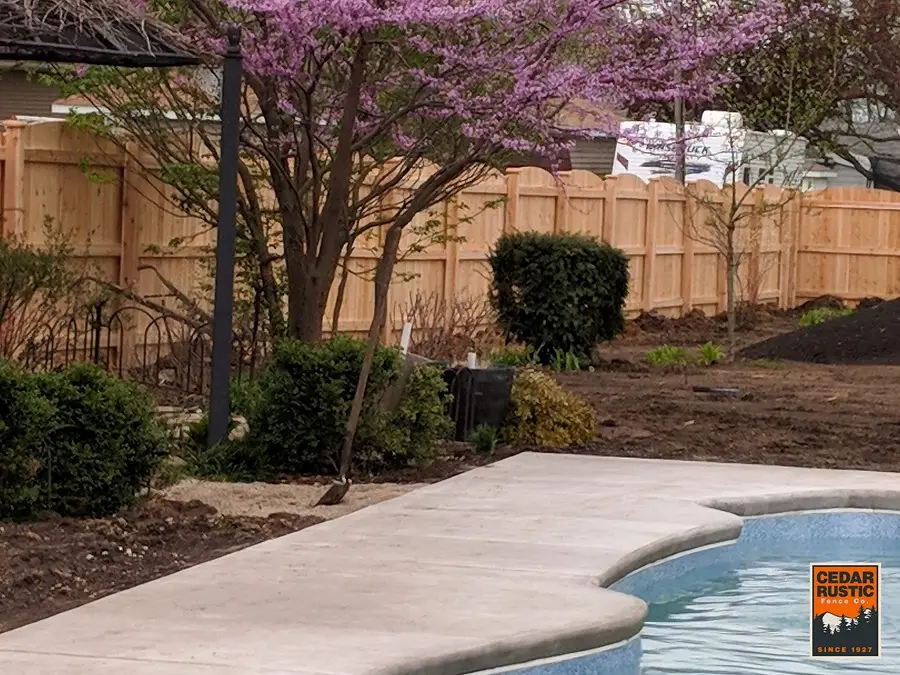
Spring is the most popular season to install a fence in Chicago. The ground thaws completely by mid-April, temperatures moderate into the 50-70°F range, and longer days allow crews to work extended schedules. These conditions create the seemingly perfect installation window.
What Spring Does Well
Many property owners plan fence projects shortly after moving in, making spring a popular season.
- Workable ground conditions: Thawed but firm soil provides ideal digging. Post holes reach proper depths without fighting frozen ground or excessive mud. Posts stay plumb during concrete curing.
- Wood acclimatization: Moderate spring humidity helps new wood fences adjust gradually. Wood has months to acclimate before winter's dry cold or summer's heat, reducing dramatic shrinkage or swelling.
- Yard preparation timing: Install your fence first, then proceed with landscaping and gardens. This sequence prevents damage to established features.
These conditions make spring well-suited for proper installation and long-term stability, especially when schedules are set early.
Where Spring Can Slow Things Down
Spring’s popularity brings challenges that impact timelines, pricing, and predictability. High demand and changing weather make flexibility essential during this season.
- Peak demand creates delays: Spring is the busiest season for fence contractors. Quality contractors book 4-8 weeks in advance during April and May.
- Unpredictable weather: Chicago spring weather changes rapidly. Beautiful 65-degree days give way to cold rain or late-season snow. These swings delay installations and can compromise concrete curing.
- Higher pricing: Peak demand means premium rates. Labor costs run 10-15% higher than off-season pricing.
- Muddy conditions: Early spring thaw creates soggy yards. Equipment and foot traffic churn soft ground into mud, damaging lawns and creating cleanup challenges.
While spring remains popular, summer offers different advantages that smart planners can leverage for their fence projects.
Summer: Ideal for Fast Fence Installation Projects and Long Days (June-August)
Summer replaces spring’s ideal conditions with consistency and faster project timelines. Extended daylight hours let crews finish projects faster, and you won't face the mud or surprise cold snaps that complicate spring work. However, the heat brings its own considerations.
Why Conditions Are Favorable
Summer creates predictable working conditions that can result in faster installation once the project starts.
- Consistent weather: Extended periods of dry, warm weather mean fewer installation delays. Contractors schedule with confidence.
- Faster concrete curing: Warm temperatures accelerate curing. Projects that take 2 days in spring often complete in a single day during the summer.
- Extended work hours: Long days allow crews to start early and work late when needed. Projects with tight deadlines benefit from extra daylight.
- Immediate use: Fences installed in June are ready for peak outdoor season. Families enjoy new fencing right away rather than waiting through winter.
As a result, summer supports faster completion when timing is locked in early, and expectations are clearly set.
Summertime Obstacles
Heat and peak-season demand introduce limitations that require careful coordination. While summer avoids spring mud and cold snaps, material behavior and scheduling pressure intensify.
- Extreme heat affects materials: Temperatures over 90°F will slow installers.
- Continued high demand: June and July still see heavy bookings with 2-4 week lead times for quality contractors.
- Landscape disruption: Working around established gardens and lawns in full growth requires care. Equipment can damage plants, and dust settles on outdoor furniture and pools.
Summer also suits full replacement projects where clear access allows crews to work efficiently.
Summer works best for property owners who plan early, confirm details in advance, and are prepared for tighter schedules during peak demand.
#cta_start
Find the Best Month to Install Your Fence
Get a clear recommendation based on your property, fence type, and Chicago weather. Contact us today.
#cta_end
Early Fall: A Strong Secondary Option for Fence Installations (September-October)
Fall delivers what many fence Chicago professionals consider perfect installation conditions. Moderate temperatures, dry weather, and reduced demand create optimal conditions for fence projects. When property owners time fall installations right, they can capture the year's best value.
Pros of Fence Installation in Early Fall
Cooler temperatures allow for stable installation, avoiding the moisture challenges of spring and the heat stress of summer.
- Ideal working temperatures: Fall's 50-70°F range provides perfect conditions for crews and materials. Concrete cures properly, wood acclimates gradually, and vinyl stays dimensionally stable.
- Reduced contractor demand: Most homeowners incorrectly assume fence installation must wait until spring. Lower demand means 1-2 week scheduling instead of 4-8 weeks.
- Perfect ground conditions: Fall soil is dry and firm. The ground hasn't frozen, so standard equipment is effective.
Wood installed in the fall has winter to properly season before facing summer heat and humidity. Moderate humidity in the fall lets sealants and stains cure optimally.
Where Problems Can Appear
Despite its advantages, early fall comes with a limited window that requires close attention to timing and weather patterns.
- Limited window: The ideal fall period spans just 6-8 weeks from early September through late October. After Halloween, temperatures drop quickly, and frost complicates installation.
- Weather unpredictability increases: Cold fronts bring sudden temperature drops. October can see unexpectedly early freezes that add complications.
- Leaves and cleanup: Falling leaves during installation require extra site cleanup. Disrupting root zones in fall can stress plants before winter.
Fall offers the year's best combination of conditions and value. While it’s possible to install a fence in November, it’s increasingly weather-dependent.
Winter: Budget-Friendly Installations for the Patient (December)
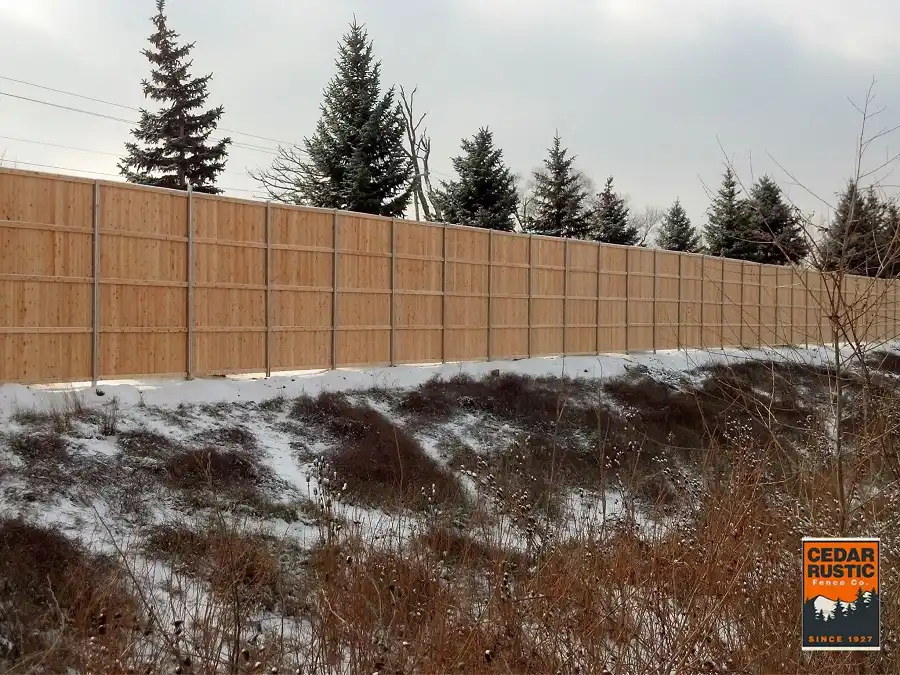
Winter has significant challenges, but it’s possible for property owners who need emergency replacement or want to capture substantial off-season savings. Success requires experienced contractors with specialized equipment and realistic project timelines.
When Winter Installation Makes Sense
Winter installation makes the most sense when an existing fence has failed or when budget considerations outweigh slower progress.
- Immediate contractor availability: Winter is the slowest season. Property owners needing emergency replacement can typically schedule within days rather than weeks.
- Significant cost savings: Off-season pricing saves 20-30% compared to peak rates. Contractors prefer winter work to idle crews.
- Metal fences install well: Aluminum, steel, and chain link handle winter installation successfully.
- Site preparation advantages: Frozen ground supports equipment without rutting lawns. Dormant landscaping means no plant damage concerns. Snow cover protects grass and gardens.
Winter Challenges
Frozen ground complicates digging, while heavy snow and ice increase safety risks and slow progress:
- Concrete curing problems: Concrete doesn't cure properly below 40°F. Winter installations require heated mixes, insulating blankets, and extended curing times. Even with precautions, winter concrete may not match summer strength.
- Weather delays: Heavy snow, ice storms, and extreme cold halt work altogether. January projects often don't complete until late February due to weather interruptions.
- Material limitations: Avoid wood fence installation in winter. Pressure-treated wood contains moisture that freezes in cold weather. Vinyl becomes brittle below 20°F.
- Extended timelines: What takes 2 days in summer requires 4-5 days in winter. Frozen ground slows excavation, concrete needs longer curing, weather interrupts work, and shorter daylight reduces working hours.
How to Match Fence Materials to Different Seasons

Not all fence materials handle seasonal installation equally, but the real test is who’s installing it. Coordinating material choice with the right installation team reduces the risk of problems down the road.
Wood Fences: Spring and Fall
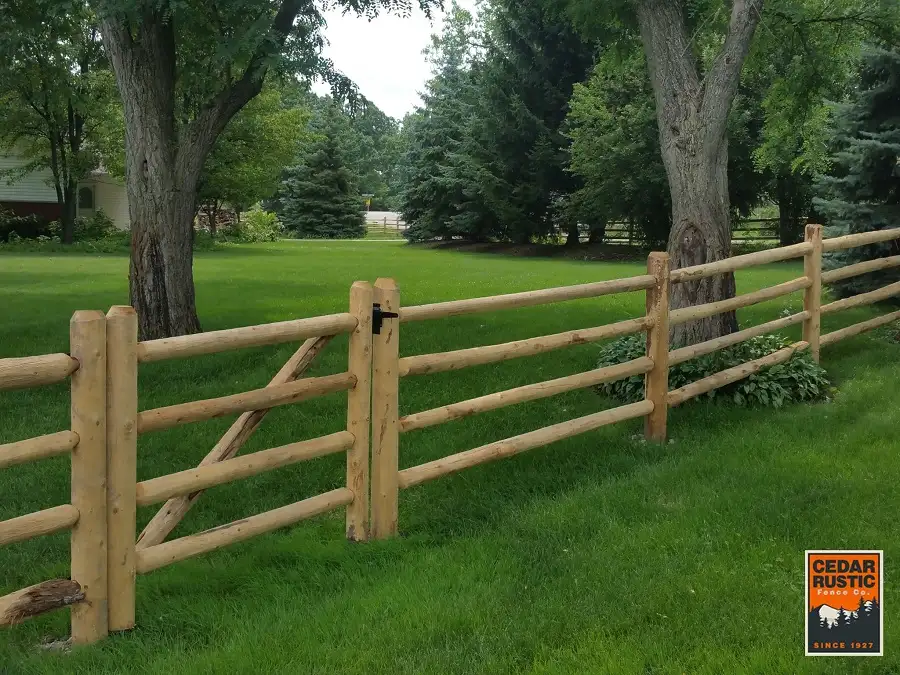
Cedar and pressure-treated wood perform best when installed in April-May or September-October. Moderate temperatures let wood acclimate without extreme stress.
Avoid summer installation when possible. Wood installed during 90+ degree weather dries quickly, causing surface checking and warping. Winter wood installation should only occur for emergencies, especially because protective finishes won't cure in cold weather.
Vinyl Fences: Spring Through Winter
Vinyl installs successfully all year round, the installer knows what they’re doing. The material expands and contracts significantly with temperature, so installers must adjust panel spacing based on installation day conditions. For example, panels installed at 75°F need different spacing than those installed at 40°F.
Winter vinyl installation is possible but risky, as vinyl becomes brittle below 20°F. Experienced installers can work in winter by warming panels first, but expect to pay premiums for this specialized service.
Aluminum and Steel: Year-Round
Metal fences offer maximum flexibility. Aluminum and steel aren't affected by temperature extremes and don't absorb moisture. These materials install successfully in any season, making them excellent for off-season projects.
The only winter constraint is concrete work for posts, but this affects all fence types equally. Metal actually provides some winter advantages: frozen ground supports equipment, and panels store easily in cold temperatures.
Chain Link: Year-Round with Concrete Limitations
Like other metal options, chain link installs year-round. The simple construction creates few seasonal limitations. However, terminal posts still need concrete footings, meaning winter installations face the same ground freezing and curing challenges.
Spring and fall provide ideal conditions. Summer works well despite the exposed metal becoming hot during installation. Winter installation makes sense if there are security needs that can't wait for spring.
How to Maximize Value Through Smart Fence Installation Timing
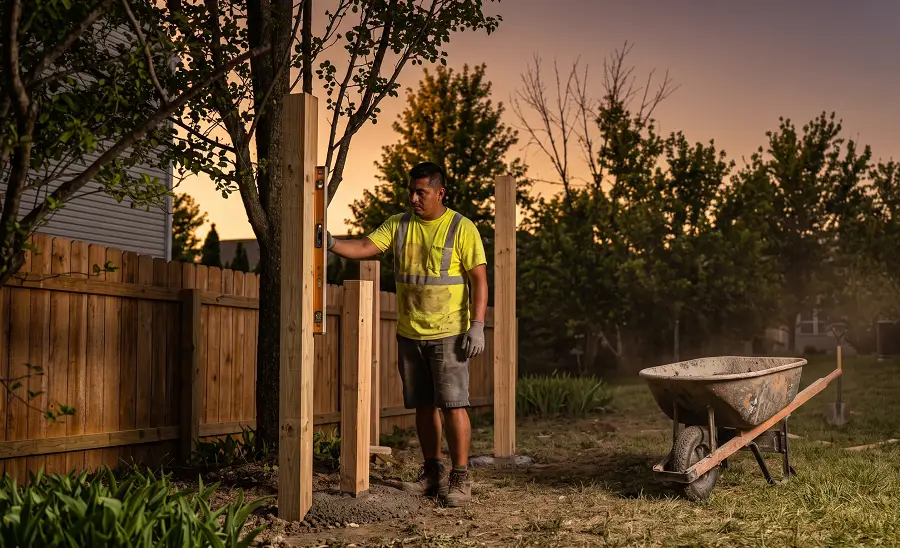
Seasonal demand affects pricing, timelines, and availability. Summer and early fall fill quickly, while winter months may be more flexible. The best timing balances weather, costs, contractor availability, and your personal needs. Here's how to optimize each factor.
Key planning steps:
- Best overall balance: Spring offers stable ground, moderate temperatures, and better scheduling control. It works especially well for wood fences. Early fall is a strong backup.
- Scheduling speed: Spring and early fall provide manageable lead times when planned early. Summer fills quickly, and winter offers the fastest availability for urgent replacements.
- Project coordination: Fence installation should come before major landscaping. Early spring allows outdoor projects to follow without rework.
- Avoiding forced decisions: Replacing a fence early provides the most options. Waiting until failure often limits timing and materials.
With these considerations, you can narrow seasonal guidance into a specific installation window that’s ideal for your property, timeline, and expectations.

