


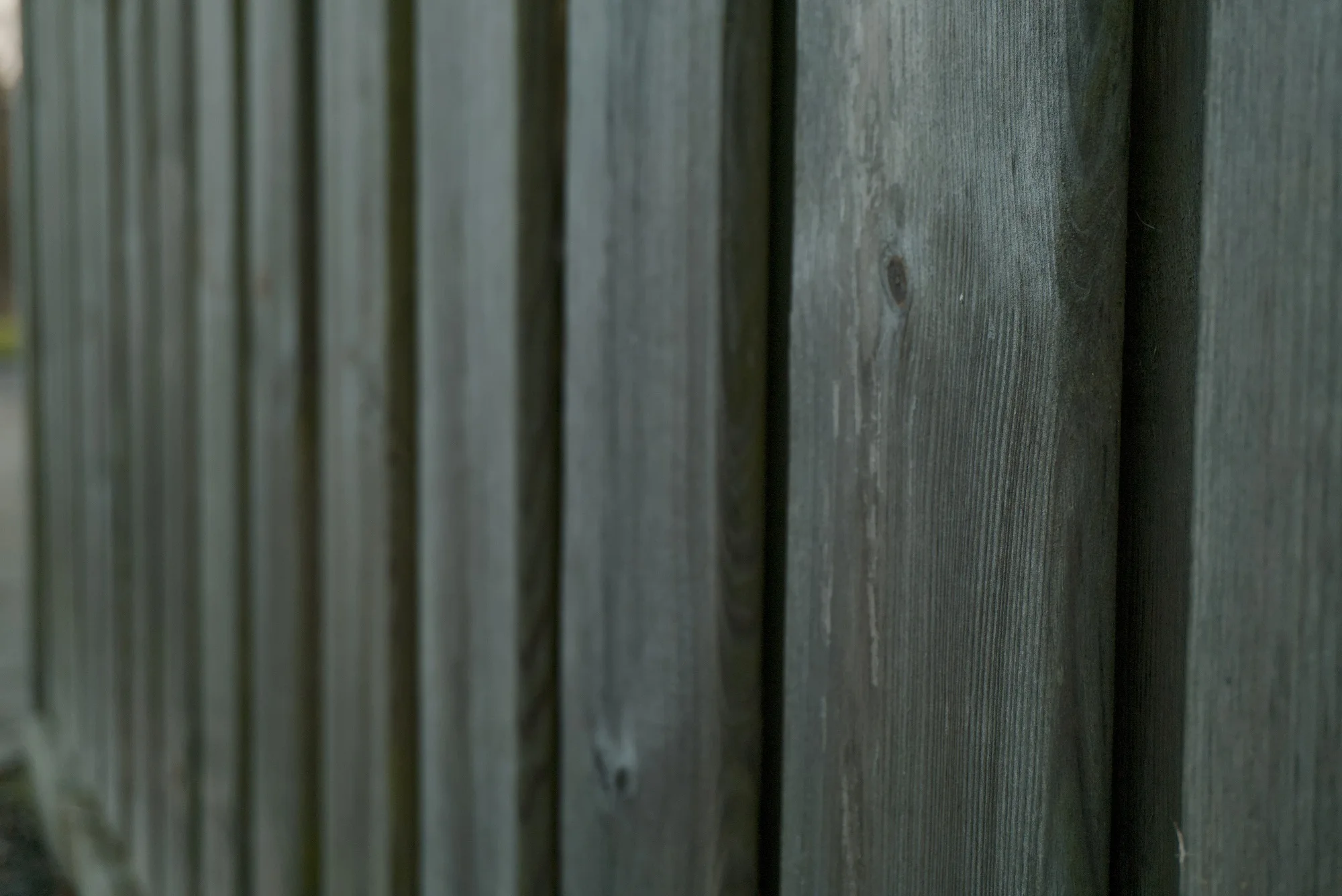


A cedar fence turning gray is one of the most frustrating realities for homeowners who invest in beautiful cedar wood fencing. That rich, warm cedar color you fell in love with starts fading within months, and no matter what you do, the graying process seems unstoppable.
The truth about cedar fence maintenance in Chicagoland is more complicated than most contractors admit. While Chicagoland cedar fence installers like ours at Cedar Rustic Fence Co. can help you slow down the weathering, the reality is that cedar wood naturally turns gray — and in many cases, that graying signals bigger problems brewing beneath the surface. We’ve outlined what you need to know.
Why Cedar Fences Turn Gray, and Why That's a Problem
Cedar wood doesn't turn gray because it's dying — it's actually protecting itself. When UV rays from the sun hit your cedar fence, they break down lignin (the natural glue holding wood fibers together). This creates a silver-gray layer on the surface that acts like sunscreen for the wood underneath.
- Moisture penetration: Once that protective cedar color fades, the wood grain opens up. Water gets in more easily, especially during Chicago's freeze-thaw cycles. The natural oils that made your western red cedar resistant to rot? They're breaking down, too.
- UV damage compounds: Every season without protection means deeper UV damage. The sun doesn't just change the surface color; it weakens the wood structure. After 2-3 years of exposure, you're dealing with more than cosmetic issues.
- Hidden rot indicators: Greyed cedar above ground often means rotting posts below ground. The same moisture that grays your fence boards is destroying your fence posts where you can't see it. By the time surface graying is obvious, there’s a chance the underground damage is severe.
Chicago's climate is brutal on cedar fencing. Harsh winters, humid summers, and dramatic temperature swings accelerate the graying process. What takes 3-4 years in milder climates happens in 12-18 months here.
How to Slow Down Cedar Fence Graying (Temporarily)
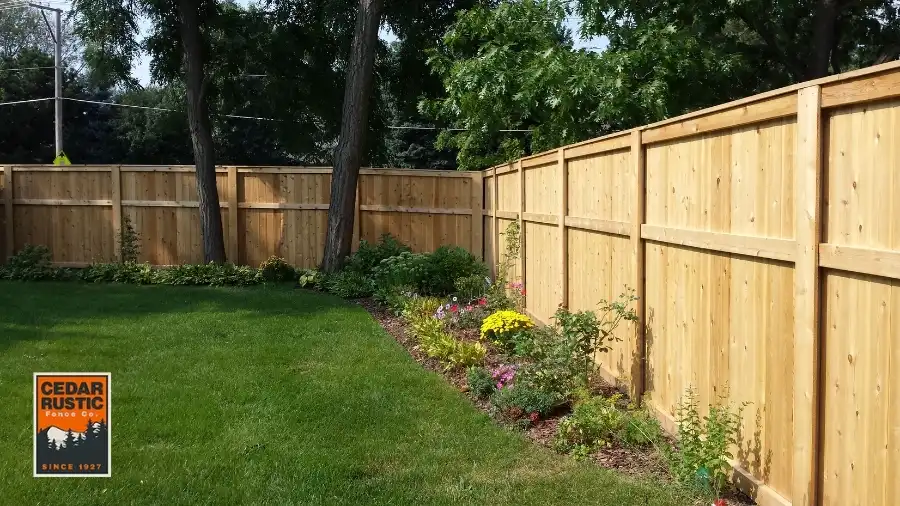
Unfortunately, you can't stop cedar wood from turning gray permanently, but you can slow it down with regular maintenance. The keyword is "regular;" expect annual treatments minimum to maintain that cedar color. Oil-based treatments penetrate the wood grain instead of sitting on top like paint.
Semi-Transparent Stains
Let the natural beauty of cedar show through while providing UV protection. Reapply every 3–5 years for oil-based stains in Chicagoland. Popular brands include Behr oil-based outdoor stain and Cabot Australian timber oil.
Clear Stains
Clear stains act more like water sealants than traditional stains. They protect the wood without changing its appearance but offer little UV protection, so the wood will gradually turn gray. Reapply frequently, typically every 8–12 months. Products like Thompson's Water Seal repel moisture but do not prevent weathering or greying without added pigment.
Tung Oil and Linseed Oil
Natural oils that penetrate deeply and condition the wood. Mix 50/50 with mineral spirits for the first coat. For the best results, apply 2-3 coats. These need reapplication every 6-12 months, but give excellent moisture resistance.
Application Techniques That Actually Work
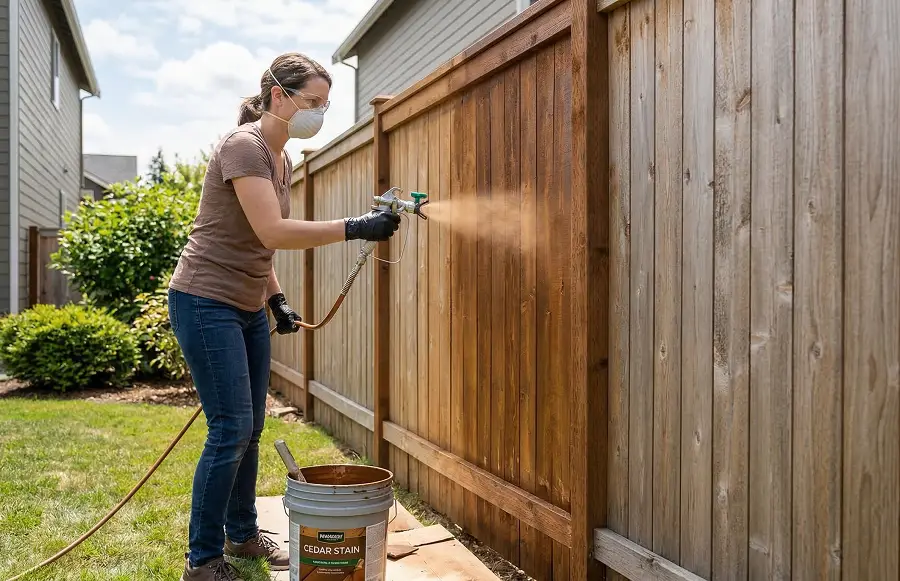
Proper application makes the difference between protection that lasts and money wasted:
- Surface preparation: Power wash your cedar fence first to remove dirt, mold, and mildew. Let it dry completely (2-3 sunny days minimum). Skip this step and your wood stain won't penetrate properly.
- Application methods: Use a paint sprayer for large areas, but back-brush immediately for even coverage. A brush or roller works for smaller sections. Always apply in the direction of the wood grain.
- Two coats minimum: The first coat seals the wood, and the second coat provides actual protection. For the best adhesion, apply the second coat within 24-48 hours of the first.
What Won't Work (Despite What You've Heard)
- Paint: Seals the surface but traps moisture inside. Cedar fence boards expand and contract with temperature changes, causing paint to peel and flake. You'll be scraping and repainting constantly.
- Single application "lifetime" products: Nothing lasts forever on cedar wood outdoors in Illinois weather. Marketing claims about one-time applications are misleading.
- Pressure-treated cedar: This doesn't exist. Some companies treat cedar with preservatives, but this changes the wood properties and often accelerates graying. Pure western red cedar or northern white cedar are your only real options.
The right application technique determines whether protection will last, or if you’ve wasted money on products that fail within months. Even with perfect application, you're looking at annual reapplication in Chicagoland's harsh climate — it's not a question of if you'll need to restain, but when. Cedar fence lifespan averages 10-15 years in Chicagoland; maintenance can extend that, but eventually, the posts will fail.
#cta_start
Tired of Endless Cedar Fence Maintenance?
Our Chicagoland cedar fence installers offer free consultations to assess your fence condition and discuss whether repair or replacement makes more sense for your property.
#cta_end
Why Graying Often Signals It's Time for Replacement
Here's what most homeowners don't realize: surface graying isn’t only about aesthetics; it’s often the visible symptom of structural failure happening below ground. Cedar fence posts rot from the ground up, and by the time you see problems above ground, the damage is extensive.
The Zinc Nail Disaster
If your fence installer used galvanized (zinc-coated) fasteners, you're dealing with accelerated graying and rot:
- Chemical reaction: Zinc reacts with tannins in cedar wood, creating dark stains and accelerating decay. This reaction speeds up the graying process and compromises wood strength.
- Structural failure: Galvanized nails corrode faster in contact with cedar than with other woods. As they corrode, they lose holding power. Your fence panels may look okay, but are actually pulling away from posts.
- No fix available: You can't reverse zinc damage. Staining might hide it temporarily, but the chemical reaction continues beneath any finish. Replacement with stainless steel or hot-dipped galvanized fasteners is the only permanent solution.
Below-Ground Rot: The Hidden Killer
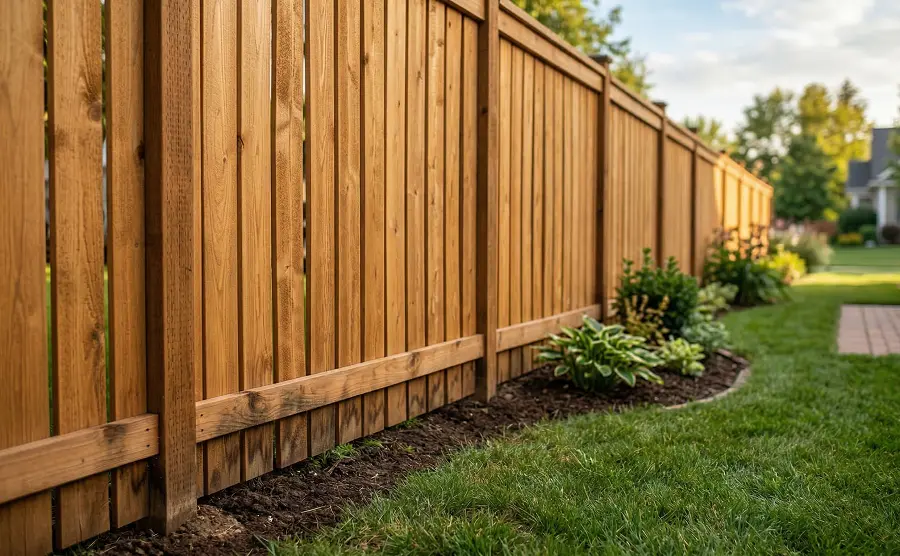
Cedar fence posts sit in concrete, but that doesn't protect them:
- Moisture trap: Concrete holds moisture against the post bottom, creating perfect rot conditions. Even rot-resistant cedar will eventually fail in constant moisture.
- Freeze-thaw damage: Chicago winters cause concrete to crack. Water enters these cracks and pools around posts, accelerating rot where you can't see it.
- Typical lifespan: Most cedar fence posts in Chicagoland last 10-15 years before rot compromises structural integrity. If your fence is approaching this age and showing surface graying, it’s safe to assume the posts are damaged.
Warning Signs Your Fence Is Failing
- Wobbling or leaning: Posts that rock when pushed are rotted at the base. Surface graying often accompanies this because moisture that rots posts also grays boards.
- Soft spots: Press your thumbnail into fence posts near the ground. If the wood compresses easily, rot has started. This typically happens 3-5 years before visible surface failure.
- Panels pulling away: If your fence panels sag or separate from posts, it's not just the fasteners — the posts themselves are likely rotting and losing structural integrity.
The combination of surface graying and any of these structural symptoms means your fence has crossed from cosmetic maintenance into failure territory. At this point, applying stain is like putting makeup on a crumbling foundation — you're not solving the problem, just temporarily hiding it.
When It's Time to Replace Your Cedar Fence
You can save money in the long run by knowing when maintenance stops making sense financially.
Annual staining and maintenance costs add up quickly:
- Materials: Quality wood stain costs $30-50 per gallon, covering 150-200 linear feet per coat. Two coats needed.
- Labor: Professional application runs $1.50-3.00 per linear foot annually. DIY requires 8-12 hours for a typical 150-foot fence line.
- Frequency: Annual application minimum in the Chicagoland climate. Miss a year and you're starting over.
For a 150-linear-foot cedar fence, you're spending $400-800 annually on maintenance. Over 10 years, that's $4,000-8,000 — often approaching the cost of full fence replacement.
Note: Costs based on 150 linear feet of 6-foot privacy fence. Cedar replacement includes removal. Vinyl requires no annual maintenance.
The upfront cost difference between cedar and other fence materials shrinks dramatically when you factor in 10 years of maintenance expenses. More importantly, you're buying back your weekends and eliminating the stress of watching your investment deteriorate year after year.

