


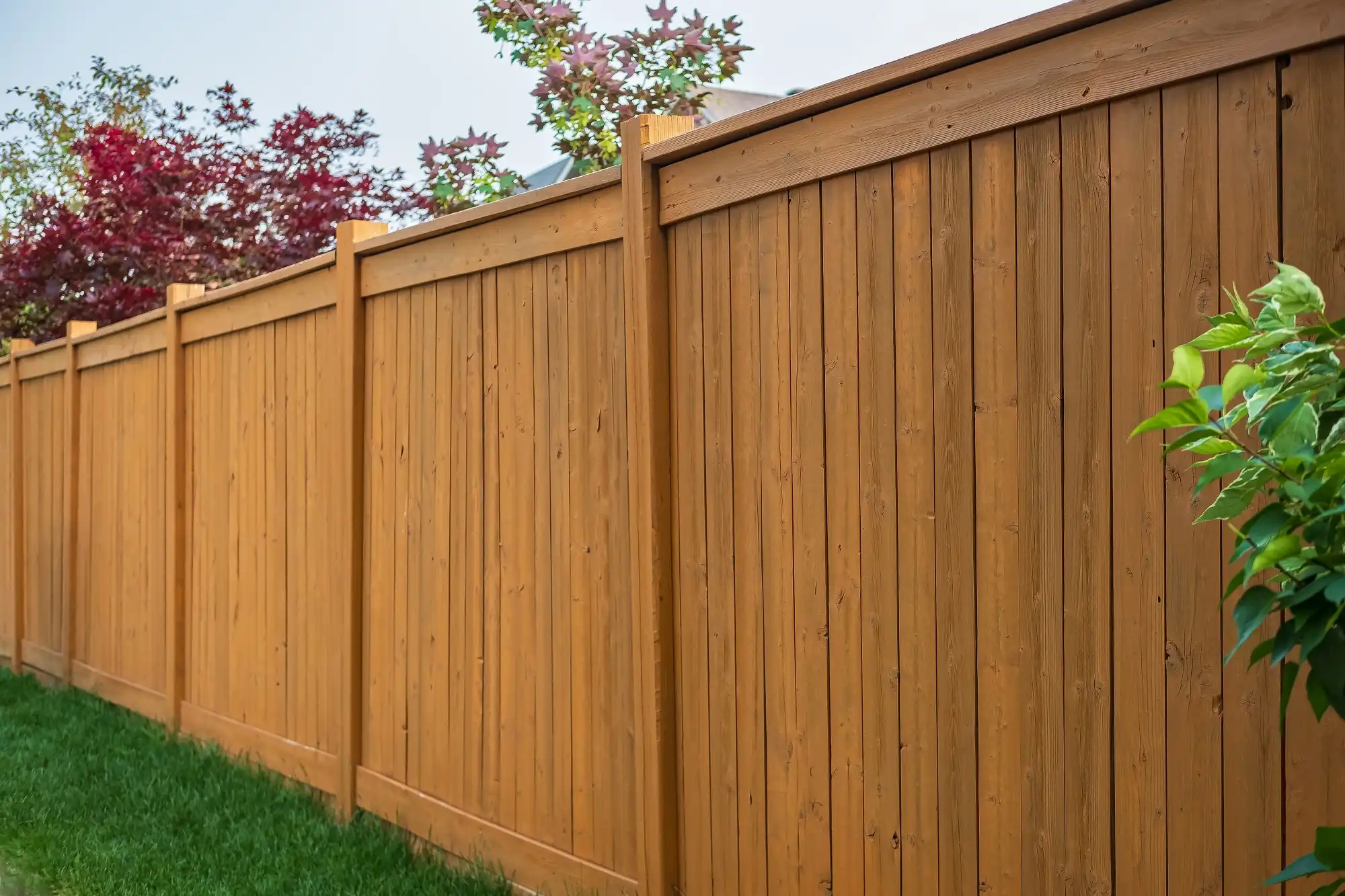


Sharing a property line means sharing decisions, and few decisions cause more tension than fence installation. The wrong approach can turn friendly neighbors into adversaries, but the right strategy creates boundaries that benefit everyone.
As experienced Chicagoland fence installers, Cedar Rustic Fence Co. knows that successful fence projects start with conversation, not construction. This guide walks you through good neighbor fence design, proper etiquette for approaching adjacent property owners, and strategies to avoid common disputes before breaking ground.
What Is a Good Neighbor Fence? (Three Definitions That Matter)

The term "good neighbor fence" has multiple meanings depending on who you ask. Understanding these three interpretations helps you choose the ideal approach for your property and relationship with neighbors.
Symmetrical Design: Beauty on Both Sides
Traditional good neighbor fences look identical from both sides, with no "ugly" back showing exposed posts and rails. This design uses alternating pickets or specific construction techniques that create perfect symmetry. In other words, both you and your neighbor see the same attractive appearance, with equally appealing fence panels facing each property. Vinyl fences, aluminium, and cedar options achieve this look beautifully.
Important note: Unlike traditional fences with a "good side" and "bad side," good neighbor fencing ensures both properties benefit equally from the aesthetic appeal.
Shared Ownership and Cost
In some cases, neighbors may agree to share the costs and responsibilities for maintaining a fence built along a property line. While this voluntary cooperation can be beneficial, it's important to note that Illinois law doesn't require neighbors to share costs, and most towns will not allow a fence to be built directly on a property line, even with an agreement. Instead, the fence is usually installed on one neighbor’s property, and the neighboring party may agree to share the cost. This arrangement requires clear communication and mutual consent, but ultimately, the fence is installed on one property under a single contract.
Respectful Process and Communication
The most important definition focuses on how you approach the project itself. Good neighbor fence installation means giving proper notice, discussing design choices, respecting property lines, and maintaining goodwill throughout construction. This definition matters most for long-term neighbor relationships in suburban neighborhoods, where families often stay for decades.
Why Good Neighbor Fence Etiquette Matters in Chicagoland
Chicago's tight-knit neighborhoods and varied property lines make fence etiquette especially important. What works in rural areas doesn't translate to suburban lots where your fence sits 15 feet from your neighbor's property windows. Here are some Chicagoland-specific considerations:
- Close property lines: Suburban lots in Naperville, Oak Lawn, and Downers Grove feature narrow spacing between homes, making every fence decision impact neighbor views and outdoor space dramatically.
- HOA prevalence: Some Chicagoland suburbs have homeowner's association rules governing fence materials, heights, and installation processes that require neighbor notification before construction begins.
- Diverse architectural styles: From historic bungalows in Oak Park to modern developments in Plainfield, fence panels should complement varying home styles while respecting neighborhood character.
- Long-term residency: Chicagoland homeowners stay in properties longer than national averages, making neighbor relationships crucial for quality of life over many years.
Fence installation can make or break your experience with your neighbors. Maintaining property value, community harmony, and cooperation for future projects all depend on respectful fence installation. The benefits of good neighbor fencing extend far beyond just the fence itself.
How to Approach Fence Installation Without Unnecessary Conflict

In most cases, fence installation happens on your property without prior discussion with neighbors. However, if the fence is on a shared property line, it’s a good idea to notify your neighbors in advance to avoid misunderstandings or conflicts.
1. Notify Your Neighbor
Although the law doesn’t require consultation, sending a notice 2-4 weeks before installation is a courteous way to inform neighbors, especially if the fence is on a shared boundary. This approach helps prevent issues and shows respect for their property.
2. Discuss the Project
If the fence will be on a shared property line and your neighbor is open to it, you can discuss the project, including materials, style, and property boundaries. However, cost-sharing is not common: in most cases, people simply install the fence on their own property without involving the neighbor.
3. Installing the Fence
If your neighbor is not interested in sharing the cost, don’t press the issue. Simply proceed with installing the fence on your property. In most cases, fences are installed entirely on one property, and cost-sharing is uncommon.
Your Legal Responsibilities in Illinois
Illinois fence law differs from states with mandatory cost-sharing provisions. Knowing your legal standing helps you approach neighbors appropriately.
Illinois follows common law tradition, where property owners can install fences entirely on their property without a neighbor's permission or cost-sharing requirements. Homeowners always build fences entirely on their own property to avoid complications., ensuring clarity and avoiding disputes. Illinois law doesn’t require neighbors to share fence costs unless they have a mutual agreement in writing, but this is not common practice.
Illinois fence regulations:
- Property line laws: Illinois Compiled Statutes require fence construction on your property only, unless your neighbor agrees to a shared fence on the boundary line with a written agreement.
- Height restrictions: Local ordinances typically limit residential fences to 4 feet in front yards and 6 feet in rear and side yards, though specific regulations vary by municipality.
- HOA authority: While Homeowners' Association (HOA) rules can set specific guidelines, they do not supersede Illinois state law. Local or state regulations take precedence over HOA restrictions when it comes to safety and zoning requirements.
Understanding these legal documents and local regulations prevents disputes. We recommend getting a professional survey confirmation of property lines to protect both you and your neighbor from future conflicts.
Good Neighbor Fence Design Options for Chicagoland Properties
Choosing fence styles that look attractive from both sides showcases respect for shared spaces and maintains the aesthetics of your neighborhood.
Privacy Fences with Decorative Tops
.webp)
Vinyl and aluminum fences are designed to be neighbor-friendly, with panels fitted between posts for a clean look on both sides. Modern vinyl fences also offer low-maintenance benefits, ideal for Chicago’s harsh freeze-thaw cycles that can damage lesser materials. These fences come with a variety of color options, from classic white to coastal cedar, and unlike traditional fences, they do not require painting or staining.
Shadowbox Cedar Fences
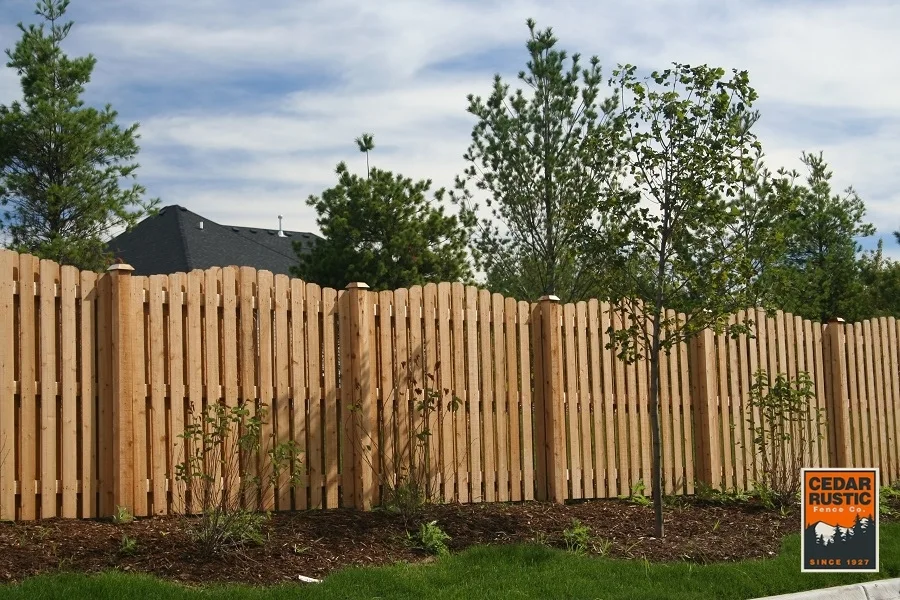
Shadowbox design uses alternating pickets on opposite sides of horizontal rails, creating semi-privacy while looking identical from both properties. This wood fence style works beautifully in Chicagoland's traditional neighborhoods and complements various home styles, from classic colonials to modern ranch houses. The alternating construction allows excellent airflow during Illinois storms, reducing wind damage compared to solid panels.
Horizontal Board Fences
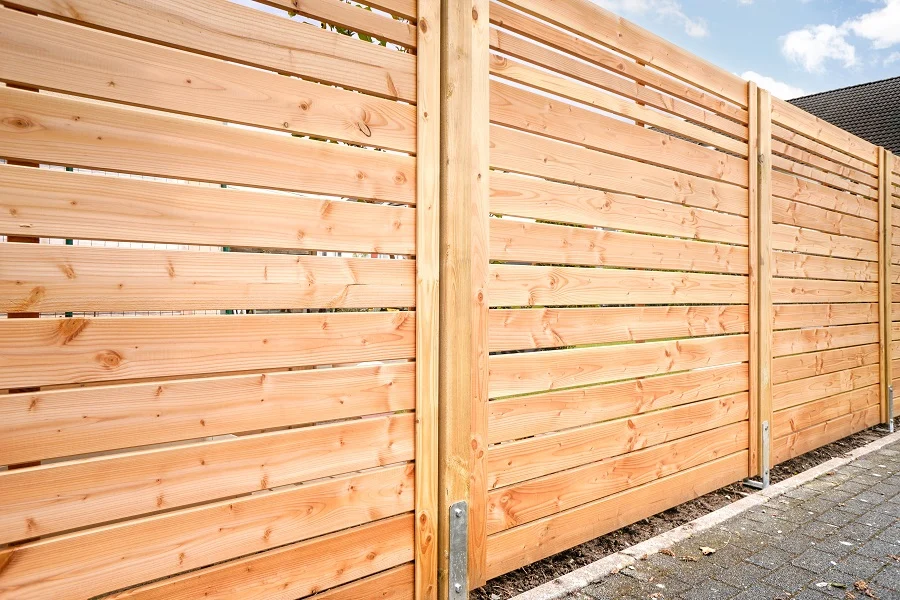
Contemporary horizontal designs create clean lines visible from both sides, delivering equally appealing aesthetics for modern properties. We’ve seen this style increase in popularity in newer Chicagoland developments and urban areas seeking minimalist outdoor space design. Horizontal board construction works particularly well with modern architecture, while maintaining the collaborative effort required between neighbors.
#cta_start
Transform Your Chicagoland Property with Expert Fence Installation
Cedar Rustic Fence Co. provides free consultations, helping Chicagoland homeowners make informed decisions that enhance properties while maintaining community goodwill and respecting shared boundaries.
#cta_end
Cost Considerations: What to Expect for Good Neighbor Fences
Good neighbor fence designs sometimes cost more than traditional construction, but the difference is often smaller than homeowners expect.
Chicagoland installation costs vary by material and design: cedar fence costs approximately $25-40 per linear foot installed, vinyl fence cost ranges $30-50 per linear foot, and horizontal board typically costs $28-45 per linear foot.
Symmetrical designs add minimal installation costs compared to traditional construction since the primary expense involves materials and labor, not fence facing direction. Factors affecting price include fence height, material quality, property conditions, and permit requirements from local regulations.
Cost-sharing example: For a 150-foot shared fence costing $5,000, splitting expenses makes a $33/foot premium fence cost each neighbor $2,500 — often less than each property building separate budget fences. When sharing costs makes sense, both homeowners benefit from higher quality materials while spending less individually than they would on cheaper fence options built separately.
How to Handle Neighbor Disagreements About Your Fence Plans
Despite your best efforts, some neighbors are simply against fence projects. Knowing how to respond professionally protects your rights while preserving relationships when possible.
Our best strategies for managing disagreements:
- Stay calm and document everything: Keep emotions out of fence discussions, even when neighbors react negatively or make unreasonable demands. Document all conversations, agreements, and disputes in writing with dates and specific details. This documentation protects homeowners if disputes escalate to HOA involvement or require legal action.
- Offer reasonable compromises: Consider adjusting fence height in areas blocking neighbor views, choosing semi-privacy designs over solid panels, selecting specific colors matching neighborhood aesthetics, or modifying construction timelines. Small concessions often resolve disputes while maintaining your project integrity, though compromises shouldn't undermine key project goals like adequate privacy or security.
- Know when to proceed without agreement: Homeowners have the right to build fences on their property regardless of their neighbor's preference, as long as they follow local codes and homeowner's association rules. If neighbors refuse reasonable terms, you can proceed with the installation without further notice. Install the fence professionally and maintain a courteous relationship, even if there's disagreement. This approach should only be taken after attempts at cooperation have failed.

