


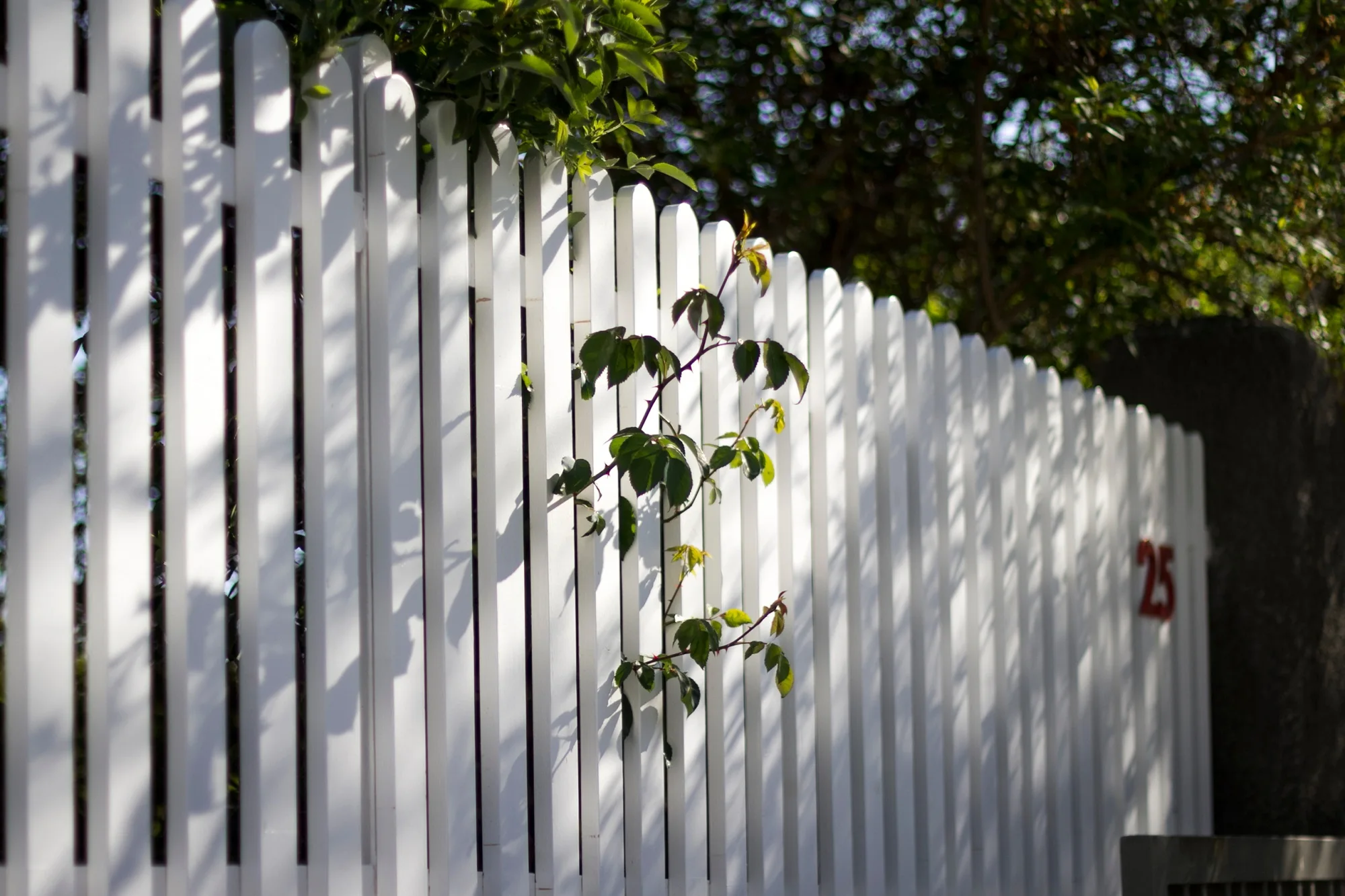


Are you considering a vinyl fence but wondering if the investment will pay off when you sell? Smart homeowners want to know the real numbers before committing thousands to a property upgrade.
Experienced Chicagoland vinyl fence installers like ours see this question daily from homeowners preparing for resale. This guide breaks down the actual ROI data, buyer psychology, and long-term value of vinyl fencing in the Chicago market.
The Financial Reality: How Much Value Does a Vinyl Fence Add?
According to 2025 CVV data, 8 of the top 10 projects were exterior replacements, showing the financial strength of curb appeal in the housing market. Keep in mind that professional appraisers and real estate agents report different values because they measure different things.
Formal Appraisal Value vs. Market Premium
Formal appraisers following strict guidelines typically value a vinyl fence at 30-40% of installation cost, focusing on objective factors like fencing materials and the remaining lifespan. However, real estate agents who gauge actual buyer behavior consistently report higher returns of 50-65% because buyers pay premiums for security, privacy, and maintenance-free ownership. This market premium reflects what motivated buyers actually pay, not just what shows up on paper.
Important: This gap between appraisal and market value means your fence often sells for more than it officially appraises.
What the 10-Year Data Shows
Long-term financial analysis reveals vinyl fencing maintains a 65% average ROI over 10 years, vastly outperforming wood fencing's 10% ROI over the same period. The durability and minimal upkeep of vinyl preserve value, while wood's constant maintenance costs erode returns. This 10-year performance value makes vinyl one of the highest-returning exterior improvements available.
Why Vinyl Fencing Adds More Value Than Other Materials
Not all fencing materials deliver equal returns. Vinyl's unique properties create value advantages that wood, chain-link, and aluminum can't match.
The Maintenance-Free Premium
Buyers recognize that a vinyl fence represents prepaid maintenance for the next 20-30 years. In many cases, they're willing to pay 7-10% premiums for properties with vinyl fencing because it eliminates the hassle and expense of staining, sealing, and repairs. What does this "peace of mind value" mean? It translates directly into higher offers and faster closings.
Chicagoland Climate Advantages
Chicago's freeze-thaw cycles destroy wood fences within 10-15 years, but vinyl's chemical composition resists moisture, temperature swings, and UV exposure. Local buyers know this reality and value vinyl fencing accordingly.
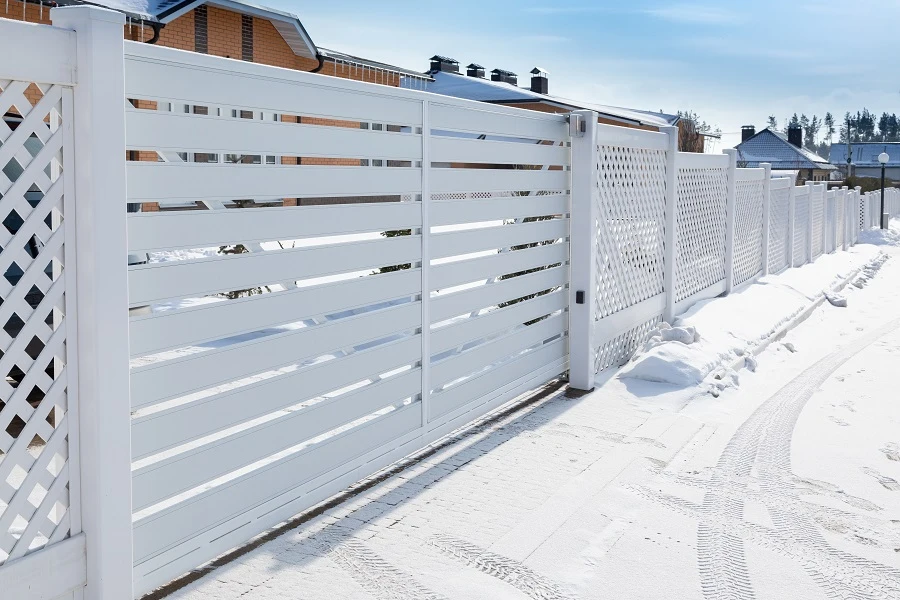
- Winter resilience: Vinyl doesn't crack or warp when temperatures drop below zero, unlike wood that absorbs moisture and splits during harsh Chicago winters.
- No rot or decay: Chicago's wet springs and humid summers promote wood rot, but vinyl stays structurally sound for decades without degradation.
Vinyl vs. Other Materials: The ROI Breakdown
The fence material you choose isn’t just about aesthetics; it directly impacts both upfront investment and long-term return. Here's how vinyl stacks up against common alternatives in the Chicagoland market.
Vinyl vs. Wood Fencing
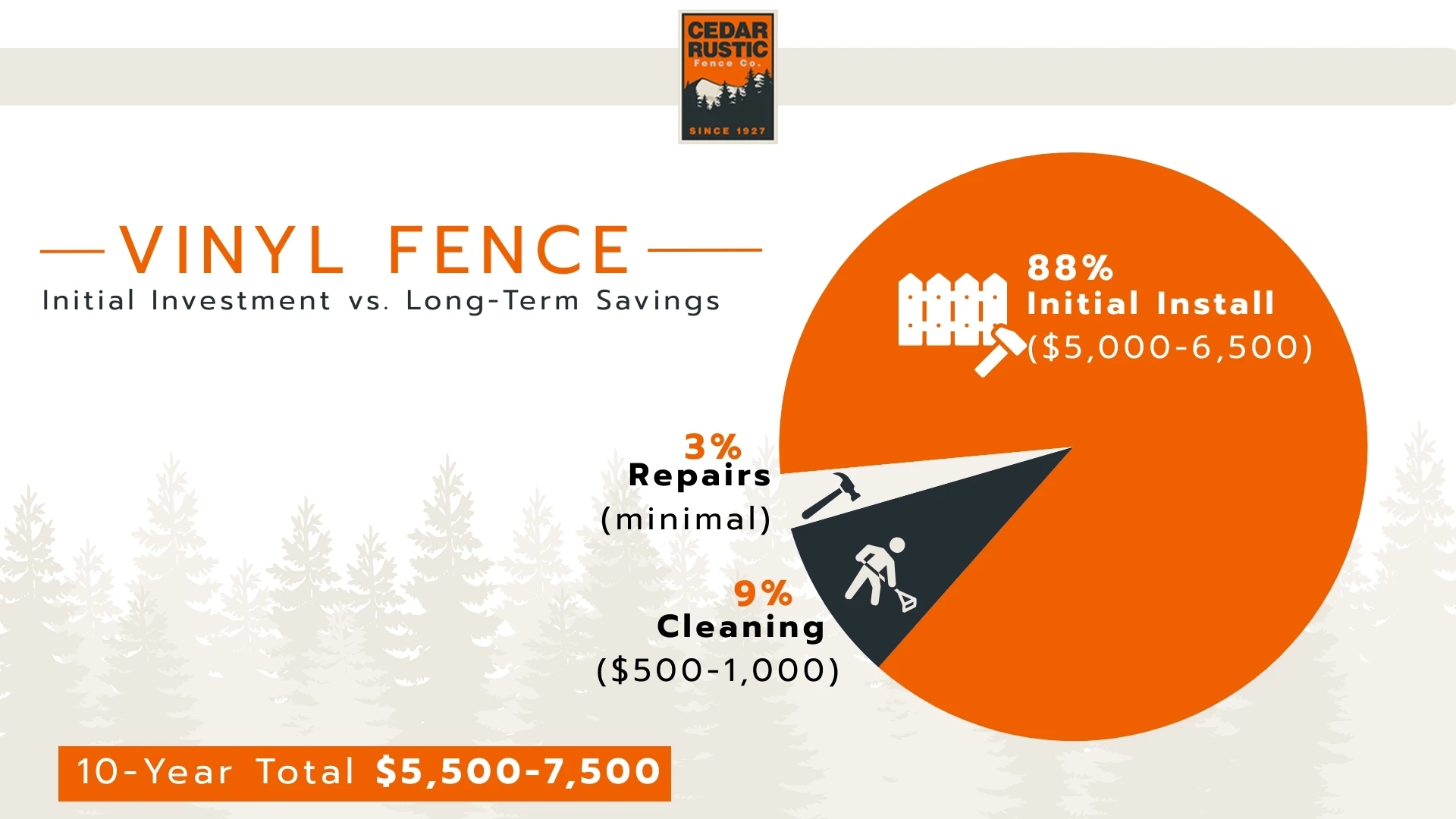
Wood fencing costs $25-65 per linear foot installed, compared to vinyl's $24-60 per linear foot. While wood may seem cheaper initially, the maintenance costs of $1,500-3,000 over 10 years, plus earlier replacement, make it more expensive long-term. The financial break-even point occurs at year 8, after which vinyl becomes demonstrably cheaper while maintaining higher resale value.
Note: Exploring vinyl fence pros and cons helps clarify this material comparison further.
Vinyl vs. Chain-Link Fencing
Chain-link offers the lowest upfront cost at $25-45 per linear foot, but this material adds minimal resale value due to its utilitarian appearance. Buyers typically see chain-link as a frustrating feature to replace, not a desirable selling point. Real estate agents report that chain-link rarely contributes to property value the way privacy fencing does.
Vinyl vs. Aluminum Fencing
Aluminum fencing delivers similar durability to vinyl, but costs more ( $20-40 per linear foot) and provides less privacy. For privacy-focused buyers, vinyl offers better value despite similar longevity.
Will a Privacy Fence Increase Home Value?
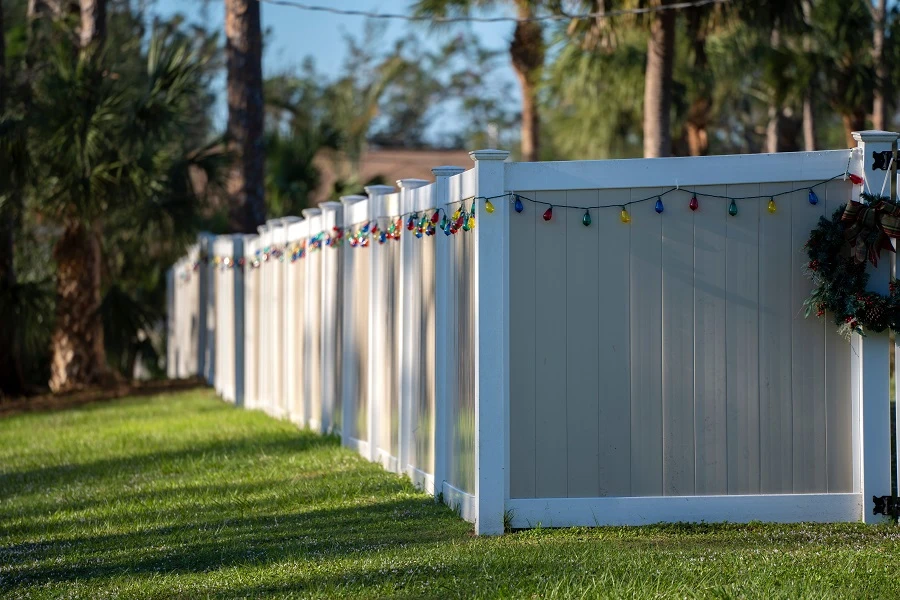
Unsurprisingly, privacy fencing consistently ranks as one of the most desired outdoor features for Chicagoland families. The value increase depends on neighborhood context and buyer demographics.
Buyer Psychology and Privacy Needs
Roughly 97-98% of real estate professionals report that curb appeal matters to buyers, and privacy fencing addresses multiple concerns at once. For example, families with children or pets view privacy fencing as essential, not optional, making it a deal-maker rather than just a value-add.
- Security concerns: Privacy fencing creates visual barriers that deter trespassing and increase perceived safety, a top priority for suburban buyers with families.
- Lifestyle enhancement: Enclosed yards enable outdoor activities without neighbor visibility, expanding usable living space for entertaining and recreation.
Neighborhood Fit Matters
In established Chicagoland suburbs where most homes have fencing, adding a quality vinyl privacy fence brings your property to market standard. In neighborhoods without fencing, you create a competitive advantage that can justify 3-5% higher asking prices. Quality vinyl fences help your home stand out when buyers compare similar properties.
#cta_start
Ready to Install a Vinyl Fence That Increases Your Property Value?
Your property deserves fencing that delivers measurable returns. Cedar Rustic Fence Co. brings 99 years of Chicagoland expertise to every vinyl fence installation, ensuring quality that buyers notice and appraisers value.
#cta_end
Long-Term Value: Why Vinyl Continues Paying Off
The true financial advantage of vinyl fencing shows itself over years of ownership. The total cost of ownership explains why vinyl delivers superior long-term returns compared with other materials.
The Break-Even Timeline
Any initial cost differences between vinyl and wood disappear by year 8 when accumulated maintenance expenses make wood more expensive overall. From that point forward, vinyl continues to save money, while wood requires ongoing investment just to maintain basic function. When you only focus on upfront cost, you miss the complete financial picture.
Warranty and Durability Benefits
Quality vinyl fencing comes with lifetime material warranties that transfer to new owners, adding buyer confidence. This warranty coverage, combined with vinyl's proven 20-30 year lifespan without major repairs, creates measurable value that appraisers and buyers recognize. Transferable warranties distinguish vinyl from wood fence ideas that need constant upkeep.
Making the Investment Decision

Are you deciding whether to install vinyl fencing before selling? You’ll need to evaluate your specific market position and timeline. The data supports this investment for most Chicagoland homeowners planning to sell within 1-5 years.
When Vinyl Fencing Makes Financial Sense
- Selling within 3 years: The 50-65% ROI means you'll recoup significant costs while enjoying the fence in the meantime, making it profitable even with short ownership.
- Competitive market positioning: In neighborhoods where most homes have fencing, adding vinyl brings your property to market standard and prevents buyer objections.
- Family-focused buyers: Areas attracting young families with children or pets see the highest premiums for privacy fencing, since buyers view it as essential infrastructure.
Investment Considerations
Installation costs for quality vinyl privacy fencing in Chicagoland typically range anywhere from $8,000-15,000 for average-sized yards. While we know that this is a significant investment upfront, the combination of immediate lifestyle benefits and strong resale returns makes it one of the highest-performing exterior improvements. Use Cedar Rustic’s vinyl fence cost calculator to estimate your specific project.
Important: We complete most residential vinyl fence installations in one day once materials are ready.

