





Many homeowners compare vinyl or composite fencing because both are sold as low-maintenance alternatives to wood. The issue is that they are often described as if they’re the same product, when in reality, they aren’t.
Cedar Rustic Fence Co. has worked with Chicagoland homeowners since 1927, and this question comes up often during privacy fence, dog fence, pool fence, and replacement fence projects. Many families look at vinyl fencing in Chicago next to composite services offered elsewhere, then try to figure out which material will hold up better in Illinois weather.
By the end, the better fit should feel a lot clearer: composite has a wood-like look, but vinyl often gives Chicagoland homeowners the stronger mix of price, weather resistance, and easy maintenance.
Vinyl Costs Less and Stays Easier to Maintain
Both fence materials can work, but they serve slightly different homeowners. Below is a high-level overview.
Vinyl is usually the better everyday fence material for homeowners who want privacy, a clean look, and less weekend maintenance. Composite is optimal when the wood-like texture is more important than the higher project cost.
What Vinyl and Composite Fences Are Actually Made From
The biggest difference starts inside the panel. That material makeup affects price, weight, water resistance, color, cleaning, and lifespan.
Vinyl Fencing Is Made from PVC
Vinyl fencing is made from polyvinyl chloride, often called PVC. It doesn’t contain wood fibers, so it doesn’t absorb water the way wood-based materials can.
That gives vinyl several practical advantages:
- No rot from rain or snow
- No termites
- No splinters
- No staining or painting
- Smooth surface that rinses clean
- Strong fit for full privacy panels
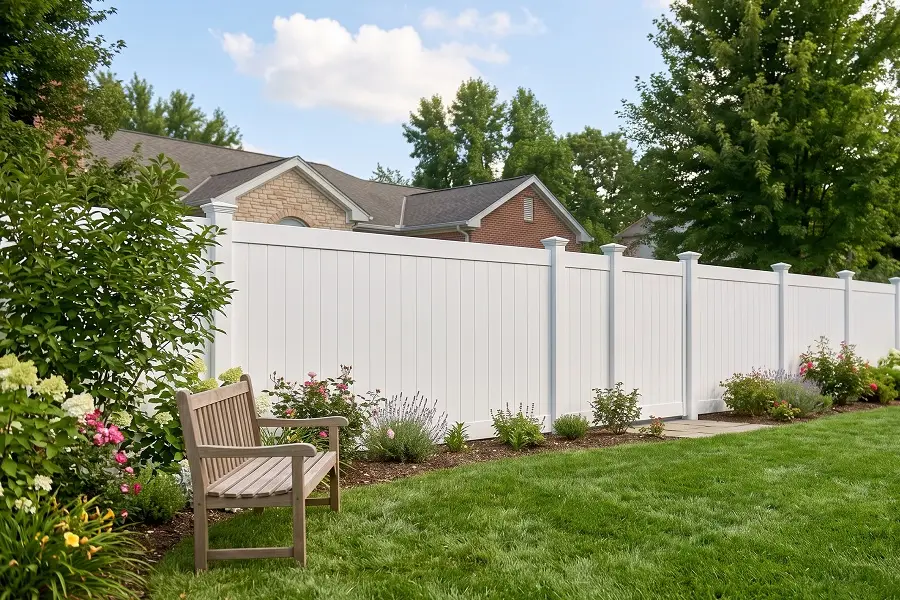
Vinyl also comes in more styles than many homeowners expect. White privacy fences are common, but tan, gray, decorative top panels, picket styles, semi-privacy styles, and wood-grain vinyl are also available.
Homeowners who are still weighing vinyl can also compare the broader pros and cons of vinyl fencing, including cost, appearance, durability, and daily upkeep.
Composite Fencing Uses Plastic and Wood Fiber
Much of composite fencing blends plastic with wood fibers and other additives. That mix gives the material a thicker, textured, more wood-like feel.
Composite can be an ideal match for homeowners who want:
- A warmer wood-look finish
- Darker color options
- Heavier boards
- A more modern horizontal fence style
- Less upkeep than natural wood
The wood-fiber content is also the reason that composite may react differently to moisture. USDA Forest Products Laboratory research on wood-plastic composites notes that moisture can affect wood particles inside the material and may create openings in the plastic matrix over time.
The material difference matters in Chicagoland, where fences are exposed to rain, snow, humidity, sun, and freeze-thaw cycles. Because vinyl contains no wood, it generally requires less long-term maintenance in many residential yards.
Cost Breakdown: Vinyl vs. Composite Fence
In Illinois, professionally installed vinyl fencing often ranges from about $24 to $60 per linear foot, depending on style, height, material quality, and site conditions. A standard vinyl privacy fence is usually more expensive than a picket fence because it uses more material and creates full coverage.
Composite fencing usually costs more. The panels are heavier, the materials are more complex, and installation can take longer.
Several add-ons can change either quote:
- Old fence removal
- Walk gates or driveway gates
- Stump or brush removal
- Uneven terrain
- Property line layout
- Permit fees
- Decorative post caps
- Extra-tall privacy panels
Local rules can also impact the project planning process. For example, Joliet lists fence height, easement, and utility clearance details on its residential fence permit page. The city also posts fence permit fee details on its permit fee information page.
For homeowners thinking about resale, privacy and curb appeal can also affect whether a fence adds value to a home, especially when the material fits the property instead of feeling like an afterthought.
#cta_start
Get a Fence That Works as Hard as Your Yard
Your fence should handle pets, kids, weather, and privacy needs. Cedar Rustic Fence can help you plan a vinyl fence built for real backyard life.
#cta_end
Durability in Illinois Weather: Rain, Snow, Sun, and Freeze-Thaw Cycles
A fence in the Chicago suburbs endures a lot. Spring rain, summer humidity, winter snow, ice, and shifting soil can all test the material.
How Vinyl Handles Moisture and Seasonal Weather
Vinyl doesn’t absorb water, which helps it resist rot, swelling, and insect damage. That makes it a good fit for wet grass lines, shaded side yards, pool areas, and homes where snow piles up along the fence in winter.
Lifespan depends on material quality, installation, sun exposure, and impact damage. Those same factors affect how long a vinyl fence lasts, which is why thicker panels and proper posts are more important than the material alone.
How Composite Performs in Damp or Shaded Yards
Composite resists rot better than natural wood. However, damp corners, heavy shade, and poor airflow can lead to more surface cleaning.
Composite can also be more difficult to repair if an older, weathered board needs to be replaced and the new piece isn’t a perfect match.
Sun, Heat, Fading, and Expansion
Both vinyl and composite fencing expand and contract with temperature changes. The real difference shows up over time, as the materials are exposed to years of sun, shade, snow, and moisture. High-quality vinyl is built for outdoor exposure, but lower-grade vinyl can become more brittle over time. Composite has a heavier feel, but darker boards may show fading, scratches, or uneven replacement pieces more clearly. In yards with heavy shade, poor airflow, or wet landscaping, composite may also need more surface cleaning.
For Chicagoland homeowners who want a fence that can handle rain, snow, and regular yard use with minimal fuss, vinyl often has the simpler durability story.
Maintenance Reality: Which Fence Takes Less Work?
Both materials need less care than wood. The difference is how often the fence needs attention.
Vinyl Maintenance Is Simple
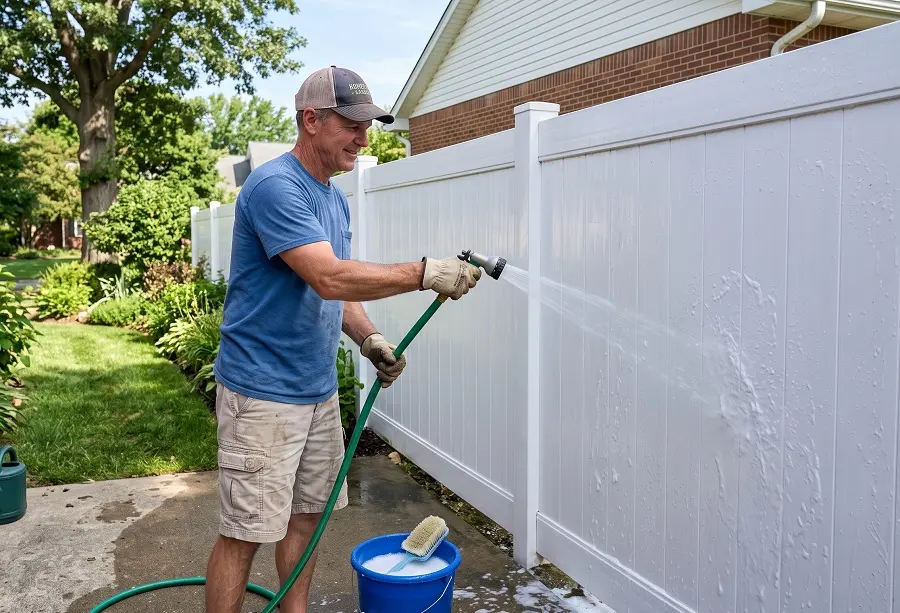
Vinyl fence care is usually limited to basic cleaning:
- Rinse with a hose
- Use mild soap for dirt or pollen
- Spot clean scuffs
- Check the gate hardware once in a while
- Avoid painting, staining, or sealing
Composite Maintenance Is Low, but Not Always as Easy
Composite doesn’t need routine staining like wood, but it may need more scrubbing in damp, shaded, or tree-covered yards. Algae, mildew, and surface dirt may be more noticeable on textured boards. Composite also needs more care around scratches, cut ends, and color matching after years of sun exposure.
If the goal is the least amount of maintenance after installation, vinyl has the edge. It is easier to rinse, easier to brighten back up, and less likely to hold moisture-related stains.
Appearance: Clean Privacy Look vs. Wood-Like Texture
A fence is part of the home’s curb appeal, so looks matter. The right material should match the house, yard, and neighborhood.
Vinyl Gives a Clean, Finished Look
Vinyl works well for homeowners who want a crisp privacy fence. It pairs nicely with suburban homes, pools, patios, new landscaping, and family backyards.
Common vinyl styles include:
- 6-foot privacy panels
- Semi-privacy fence
- Picket fence
- Decorative lattice top
- Ranch rail
- Wood-grain vinyl
- Tan, gray, and white color options
Vinyl is especially ideal when the goal is a clean backdrop for a yard, patio, garden, or pool area.
Composite Gives More Texture
Composite often mimics the look of stained wood, making it appealing to homeowners who want darker colors, horizontal boards, or a premium modern style. The tradeoff is that darker and textured materials may show dust, scratches, fading, or uneven replacement boards more easily.
Composite wins when the wood-look finish is the top priority. Vinyl wins when clean appearance, easy upkeep, and cost control matter more.
A fence also needs to match how the yard is used. Some backyard fence ideas are more private, while others use semi-privacy panels, decorative sections, or open styles to avoid closing off the space.
Best Uses: Privacy, Dogs, Pools, and Replacement Fences
The right fence material depends on how the yard is used. Both vinyl and composite can work for residential yards, but they are strongest in different situations.
Privacy Fence Projects
Vinyl is often a strong choice for privacy fencing because it creates a clean, solid barrier at a relatively predictable cost. It is commonly used for side yards, neighbor-facing lot lines, patios, and backyards where the main goal is seclusion.
Composite can also work for privacy, especially when the homeowner wants a darker, wood-like finish. The tradeoff is usually cost. Composite privacy panels tend to be heavier and more expensive, so the final project price can climb quickly.
Best pick for most privacy projects: Vinyl, unless the wood-look finish is the priority.
Dog and Family Backyards
Vinyl is practical for homes with dogs and kids because the surface is smooth, splinter-free, and easy to rinse after mud, grass clippings, or seasonal pollen. Because it doesn’t absorb moisture, it helps in yards where pets run along the same fence line every day.
Composite has a sturdier, heavier feel, but textured surfaces may hold more dirt in high-traffic areas. Scratches may also be more noticeable on darker composite boards.
Best pick for active yards: Vinyl for easier cleanup and lower maintenance.
Pool Fence Areas
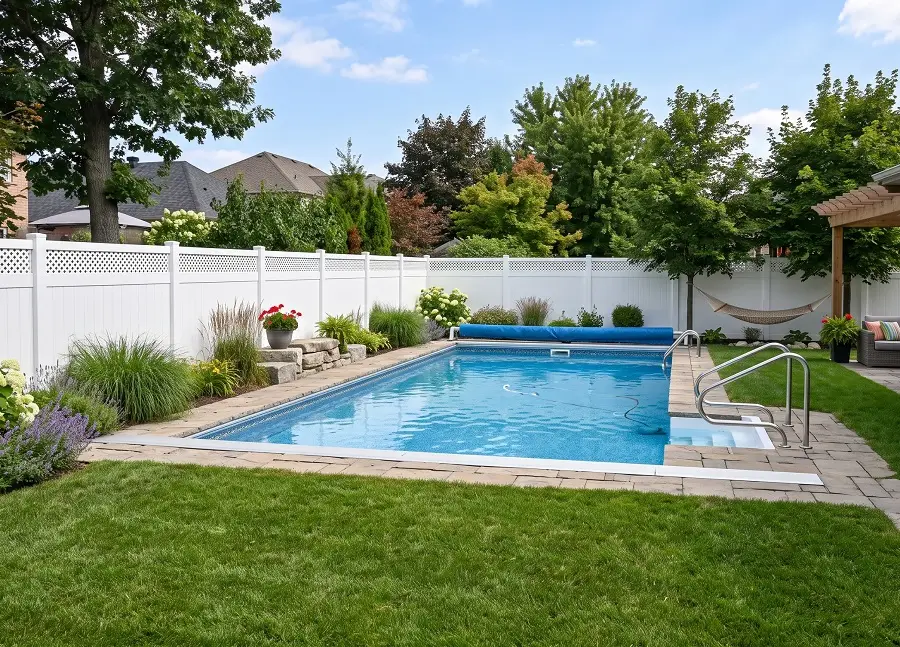
Vinyl can be a strong pool fence option because it handles moisture well and doesn’t need stain or paint near wet areas.
Composite can also be used around outdoor living spaces, but the sun can make darker boards hotter and may need more cleaning near water, landscaping, or shaded areas.
The CDC notes that proper pool fencing can help reduce drowning risk, especially when a fence fully separates the pool from the house and yard. Local pool fence requirements can affect height, spacing, gate hardware, and final layout.
Best pick for many pool areas: Vinyl, especially for moisture resistance and easier cleaning.
Replacement Fence Projects
When an old wood fence starts leaning, rotting, or losing boards, vinyl is often simpler for replacement. It gives homeowners a clean, updated privacy fence without the ongoing maintenance cycle that traditional materials require.
Composite can be a good replacement when the homeowner wants the look of wood but does not want real wood. It makes sense for higher-budget projects where appearance is the deciding factor.
Best pick for most replacements: Vinyl for cost control and less upkeep; composite for premium wood-style appearance.
Environmental Factors: Recycled Content vs. Long Service Life
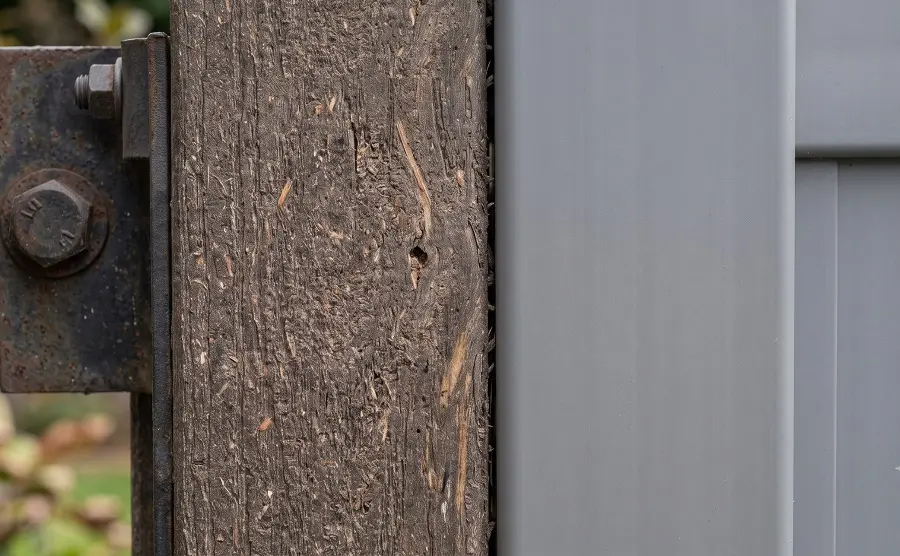
Composite is often highlighted for its recycled wood fiber and plastic content, while vinyl is known for its durability, low maintenance, and lack of staining or sealing requirements.
To ensure the comparison is fair, we need to consider the full lifecycle. The EPA’s Sustainable Materials Management program looks at materials from raw material use through manufacturing, use, reuse, and end-of-life handling.
A few practical points:
- Composite may include recycled material.
- Vinyl does not need stain, paint, or sealant.
- Both materials may have limited recycling options depending on local facilities.
- A longer-lasting fence can reduce replacement waste.
- Lower maintenance can reduce chemical product use over time.
When it comes to the environment, there’s no one-size-fits-all answer. A fence that lasts longer, stays out of the landfill longer, and needs fewer treatments often makes the better long-term case.
Which Fence Material Gives Better Long-Term Value?
Long-term value is about more than the lowest bid. The optimal fence is the one that fits the yard, holds up to local weather, looks good, and doesn’t become a constant chore.
Vinyl often gives better long-term value when the homeowner wants:
- Lower installed cost
- Strong moisture resistance
- Easy cleaning
- Privacy
- Pet-friendly panels
- A familiar residential look
- Fewer maintenance products
Composite may be worth the extra cost when the homeowner wants:
- A darker wood-like look
- Textured boards
- A heavier premium feel
- A modern design style
- Recycled-content appeal
For many Chicagoland homes, vinyl is the more practical investment. Composite can look great, but vinyl usually offers the cleaner balance of cost, durability, and ease of care.

